CAS 34423-54-6
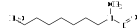
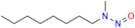
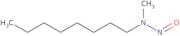
:N-Methyl-N-nitroso-1-octanamine
Description:
N-Methyl-N-nitroso-1-octanamine, with the CAS number 34423-54-6, is a chemical compound that belongs to the class of nitrosamines, which are known for their potential carcinogenic properties. This substance features a long hydrocarbon chain, specifically an octyl group, which contributes to its lipophilicity, allowing it to interact with biological membranes. The presence of the nitroso group (-N=O) is significant, as it can undergo various chemical reactions, including nitrosation and decompose under certain conditions, potentially releasing toxic nitrogen oxides. N-Methyl-N-nitroso-1-octanamine is typically synthesized through the reaction of N-methyl-1-octanamine with nitrous acid. Due to its structure, it may exhibit moderate to high volatility and can be soluble in organic solvents. Safety considerations are paramount when handling this compound, as nitrosamines are often associated with health risks, including mutagenicity and carcinogenicity. Proper storage and disposal methods should be employed to mitigate environmental and health hazards.
Formula:C9H20N2O
InChI:InChI=1S/C9H20N2O/c1-3-4-5-6-7-8-9-11(2)10-12/h3-9H2,1-2H3
InChI key:InChIKey=CCSLOEMFOMJAFM-UHFFFAOYSA-N
SMILES:C(CCN(N=O)C)CCCCC
Synonyms:- Octylamine, N-methyl-N-nitroso-
- N-Nitroso-N-methyloctylamine
- N-Methyl-N-nitroso-1-octanamine
- N-Nitroso-N-methyl-n-octylamine
- 1-Octanamine, N-methyl-N-nitroso-
Sort by
Purity (%)
0
100
|
0
|
50
|
90
|
95
|
100
Found 3 products.
Methyl(nitroso)octylamine
CAS:Methyl(nitroso)octylamine (MNTOA) is a chemical that is used in animal research to induce cancer. MNTOA acts by nitrosating DNA, which induces mutations and leads to the formation of cholangiocarcinomas in rats. It also interacts with other molecules in the body, such as bladder proteins and hemoglobin, leading to an increased risk of death. MNTOA has been shown to be carcinogenic in animals, inducing tumors in the nasal cavity and bladder. The carcinogenicity of MNTOA may be caused by its ability to damage DNA through nitrosation reactions.Formula:C9H20N2OPurity:Min. 95%Molecular weight:172.27 g/mol