


CAS 352658-23-2
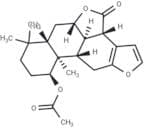
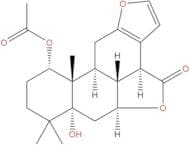
:caesalmin B
Description:
Caesalmin B, with the CAS number 352658-23-2, is a chemical compound that belongs to the class of natural products known as flavonoids. It is derived from plants, particularly those in the Caesalpinia genus, which are known for their diverse phytochemical profiles. This compound exhibits various biological activities, including antioxidant, anti-inflammatory, and potential anticancer properties, making it of interest in pharmacological research. The structure of caesalmin B typically features a flavone backbone, characterized by a chromone ring fused with a phenolic group, which contributes to its reactivity and interaction with biological systems. Its solubility and stability can vary depending on the solvent and environmental conditions, influencing its bioavailability and efficacy in therapeutic applications. Ongoing studies aim to elucidate its mechanisms of action and potential uses in medicine, particularly in the development of natural product-based therapies.
Formula:C22H28O6
Synonyms:- caesalmin B
- 4H-Phenanthro[3,2-b:10,1-b'c']difuran-4-one, 10-(acetyloxy)-3b,5a,6,6a,7,8,9,10,10a,10b,10c,11-dodecahydro-6a-hydroxy-7,7,10a-trimethyl-, (3bS,5aS,6aR,10S,10aS,10bS,10cR)-
- GXBMHMVGIRRPBD-XTVZKPICSA-N
Sort by
Purity (%)
0
100
|
0
|
50
|
90
|
95
|
100
Found 3 products.
Caesalmin B
CAS:Caesalmin B shows significant dose-dependent inhibitory effects on Plasmodium falciparum FCR-3/A2 growth in vitro.Formula:C22H28O6Purity:98%Color and Shape:SolidMolecular weight:388.46(13-Hydroxy-14,14,18-trimethyl-9-oxo-4,10-dioxapentacyclo[9.7.1.03,7.08,19.013,18]nonadeca-3(7),5-dien-17-yl) acetate
CAS:(13-Hydroxy-14,14,18-trimethyl-9-oxo-4,10-dioxapentacyclo[9.7.1.03,7.08,19.013,18]nonadeca-3(7),5-dien-17-yl) acetate is a complex acetate ester compound, often studied within the context of its role in various biochemical and pharmacological applications. This compound can be sourced both naturally, as a derivative of certain plants and microorganisms, or synthesized in laboratory settings for more controlled investigations. Its mode of action typically involves the modulation of specific enzymatic pathways and interactions with molecular receptors, thereby influencing diverse biological activities.Formula:C22H28O6Purity:Min. 95%Molecular weight:388.5 g/mol


![(13-Hydroxy-14,14,18-trimethyl-9-oxo-4,10-dioxapentacyclo[9.7.1.03,7.08,19.013,18]nonadeca-3(7),5-…](/_next/image/?url=https%3A%2Fstatic.cymitquimica.com%2Fproducts%2F3D%2Fthumb%2FCPA65823.jpg&w=3840&q=75)
