CAS 3568-90-9
:Deoxylapachol
Description:
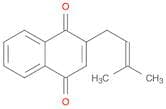
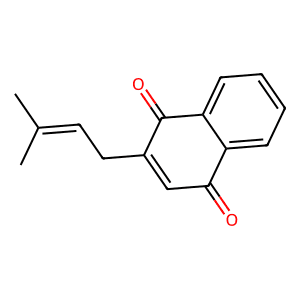
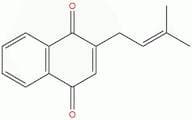
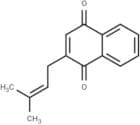
Deoxylapachol, with the CAS number 3568-90-9, is a naturally occurring compound classified as a naphthoquinone derivative. It is primarily extracted from various plant species, particularly those in the Bignoniaceae family. This compound exhibits a range of biological activities, including antimicrobial, antifungal, and anticancer properties, making it of interest in pharmacological research. Deoxylapachol is characterized by its distinct chemical structure, which includes a naphthalene ring system with hydroxyl and carbonyl functional groups. Its solubility properties can vary, often being more soluble in organic solvents than in water. The compound's stability and reactivity can be influenced by environmental factors such as pH and temperature. Due to its potential therapeutic applications, deoxylapachol is studied for its mechanisms of action and efficacy in various biological systems. However, further research is necessary to fully understand its pharmacokinetics and safety profile for potential medicinal use.
Formula:C15H14O2
InChI:InChI=1S/C15H14O2/c1-10(2)7-8-11-9-14(16)12-5-3-4-6-13(12)15(11)17/h3-7,9H,8H2,1-2H3
InChI key:InChIKey=OSDFYZPKJKRCRR-UHFFFAOYSA-N
SMILES:O=C1C=2C(C(=O)C=C1CC=C(C)C)=CC=CC2
Synonyms:- 1,4-Naphthalenedione, 2-(3-Methyl-2-Buten-1-Yl)-
- 1,4-Naphthalenedione, 2-(3-methyl-2-butenyl)-
- 1,4-Naphthoquinone, 2-(3-methyl-2-butenyl)-
- 2-(3-Methyl-2-buten-1-yl)-1,4-naphthalenedione
- 2-(3-Methyl-2-butenyl)-1,4-naphthoquinone
- Deoxylapachol
- Desoxylapachol
- NSC 123507
Sort by
Purity (%)
0
100
|
0
|
50
|
90
|
95
|
100
Found 7 products.
Deoxylapachol
CAS:Deoxylapachol combats wood rot, blocking Gloeophyllum spp., Merulius tremellosus, Phlebia brevispora, and induces fungal cell wall stress.Formula:C15H14O2Purity:98.05%Color and Shape:SolidMolecular weight:226.27Ref: TM-TN1569
1mg92.00€5mg225.00€1mL*10mM (DMSO)245.00€10mg333.00€25mg557.00€50mg795.00€100mg1,071.00€Deoxylapachol
CAS:Deoxylapachol is a naturally occurring metabolite, which is derived from the heartwood of certain Tabebuia tree species. It is a type of naphthoquinone, recognized for its biologically active properties. The mode of action of deoxylapachol involves the inhibition of certain enzymes and signaling pathways, contributing to its potential therapeutic effects. It disrupts cellular respiration and affects redox balance, which can lead to the selective targeting of certain pathogenic organisms and cancer cells.Formula:C15H14O2Purity:Min. 95%Molecular weight:226.27 g/mol