CAS 35978-98-4
:L-Tyrosine, L-lysyl-
Description:
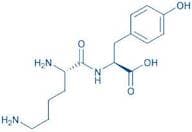
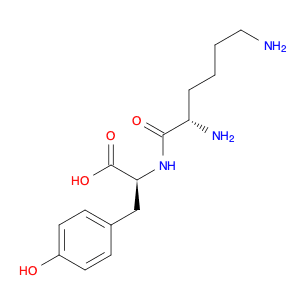
L-Tyrosine, L-lysyl- is a dipeptide formed from the amino acids L-tyrosine and L-lysine. It is characterized by its role in protein synthesis and its involvement in various metabolic processes. L-Tyrosine is a non-essential amino acid that serves as a precursor for neurotransmitters such as dopamine, norepinephrine, and epinephrine, while L-lysine is an essential amino acid important for protein synthesis, hormone production, and calcium absorption. The combination of these two amino acids in L-Tyrosine, L-lysyl- may enhance the bioavailability and functionality of the individual amino acids. This compound is typically soluble in water and may exhibit specific biological activities, including potential antioxidant properties. It is often studied in the context of nutritional supplements and therapeutic applications, particularly for its potential effects on mood, cognitive function, and overall health. As with many peptides, its stability and activity can be influenced by factors such as pH, temperature, and the presence of other compounds.
Formula:C15H23N3O4
Synonyms:- L-Tyrosine,N-L-lysyl-
- Tyrosine, N-lysyl- (6CI,7CI)
- 125: PN: WO2010017468 SEQID: 125unclaimed protein
- 34: PN: WO2009143133 PAGE: 61 claimed protein
- 6: PN:JP2007217358 SEQID: 6 claimed protein
- L-Lysyl-L-tyrosine
- Lysyltyrosine
Sort by
Purity (%)
0
100
|
0
|
50
|
90
|
95
|
100
Found 3 products.
H-Lys-Tyr-OH
CAS:Both single-dose administration and repetitive oral application of the dipeptide KY significantly decreased blood pressure in spontaneously hypertensive rats.Formula:C15H23N3O4Purity:> 99%Color and Shape:White PowderMolecular weight:309.37H-Lys-Tyr-OH acetate salt
CAS:H-Lys-Tyr-OH acetate salt (HAT) is a synthetic nonsteroidal anti-inflammatory drug that has been used in the treatment of inflammatory diseases and cancer. HAT is an optical isomer of the naturally occurring amino acid L-lysine. It has been shown to have antioxidative properties and to be active against HIV infection and inflammatory diseases, including diabetes. HAT also has a molecular structure that makes it a potential therapeutic agent for cancer, as well as for women with osteoporosis and other chronic inflammatory conditions.Formula:C15H23N3O4Purity:Min. 95%Molecular weight:309.36 g/mol