CAS 3687-28-3
:Aucuparin
Description:
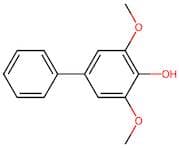
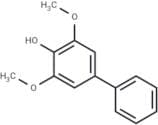
Aucuparin, with the CAS number 3687-28-3, is a chemical compound that belongs to the class of flavonoids, which are known for their diverse biological activities. It is primarily derived from various plant sources, particularly those in the genus Sorbus. Aucuparin exhibits antioxidant properties, which can help in neutralizing free radicals and reducing oxidative stress in biological systems. Additionally, it has been studied for its potential anti-inflammatory and antimicrobial effects. The compound is characterized by its phenolic structure, which contributes to its reactivity and interaction with other biological molecules. Aucuparin's solubility can vary depending on the solvent, and it is typically more soluble in organic solvents than in water. Its applications may extend to the fields of pharmacology and natural product chemistry, where it is explored for potential therapeutic uses. Overall, aucuparin represents a significant area of interest in phytochemistry and medicinal research due to its promising health benefits.
Formula:C14H14O3
InChI:InChI=1S/C14H14O3/c1-16-12-8-11(9-13(17-2)14(12)15)10-6-4-3-5-7-10/h3-9,15H,1-2H3
InChI key:InChIKey=KCKBEANTNJGRCV-UHFFFAOYSA-N
SMILES:O(C)C=1C=C(C=C(OC)C1O)C2=CC=CC=C2
Synonyms:- (1,1'-Biphenyl)-4-ol, 3,5-dimethoxy-
- 3,5-Dimethoxy[1,1′-biphenyl]-4-ol
- Aucuparin
- Phenol, 2,6-dimethoxy-4-phenyl-
- 2,6-dimethoxy-4-phenylphenol
Sort by
Purity (%)
0
100
|
0
|
50
|
90
|
95
|
100
Found 4 products.
(1,1-Biphenyl)-4-ol, 3,5-dimethoxy-
CAS:Formula:C14H14O3Purity:95%Color and Shape:SolidMolecular weight:230.2592Ref: IN-DA01GB6L
10mgTo inquire25mgTo inquire50mgTo inquire100mgTo inquire200mgTo inquire1mg230.00€2mg316.00€5mg620.00€Aucuparin
CAS:Aucuparin (2,6-dimethoxy-4-phenylphenol) is a plant antibiotic with anti-inflammatory activity.
Formula:C14H14O3Purity:99.98%Color and Shape:SolidMolecular weight:230.26Ref: TM-TN3469
1mg183.00€2mg246.00€5mg365.00€10mg490.00€25mg723.00€50mg979.00€100mg1,320.00€200mg1,776.00€Aucuparin
CAS:Aucuparin is an isocoumarin-type natural compound, which is primarily derived from certain plant species, such as those in the Rosaceae family. It is synthesized via the acetate-malonate pathway, which is a common biosynthetic route for polyketide compounds in plants. Aucuparin exhibits antifungal activity by inhibiting fungal growth and disrupting cell membrane integrity, leading to enhanced permeability and eventual cell death.
Formula:C14H14O3Purity:Min. 95%Molecular weight:230.26 g/mol