CAS 3726-23-6
:3-Pyridinecarboxamide, hydriodide (1:1)
Description:
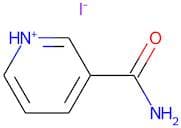
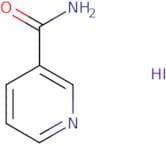
3-Pyridinecarboxamide, hydriodide (1:1) is a chemical compound characterized by its pyridine ring structure, which is a six-membered aromatic ring containing one nitrogen atom. This compound features a carboxamide functional group attached to the third carbon of the pyridine ring, contributing to its polar nature and potential for hydrogen bonding. The hydriodide form indicates that the compound is associated with hydriodic acid, resulting in the presence of iodide ions. This salt form can influence the solubility and stability of the compound in various solvents. Typically, compounds like 3-Pyridinecarboxamide, hydriodide are of interest in pharmaceutical and biochemical research due to their potential biological activity and ability to interact with various biological targets. The presence of the iodine atom may also impart unique properties, such as increased reactivity or specific interactions in biological systems. Overall, this compound exemplifies the diverse chemistry of nitrogen-containing heterocycles and their derivatives.
Formula:C6H7IN2O
InChI:InChI=1/C6H6N2O.HI/c7-6(9)5-2-1-3-8-4-5;/h1-4H,(H2,7,9);1H
InChI key:InChIKey=ITWGXEQHZZFQES-UHFFFAOYSA-N
SMILES:C(N)(=O)C=1C=CC=NC1.I
Synonyms:- 3-Pyridinecarboxamide, hydriodide (1:1)
- 3-Pyridinecarboxamide, monohydriodide
- Nicotinamide hydriodide
- Nicotinamide monohydroiodide
- Nicotinamide, monohydriodide
- Pyridine-3-Carboxamide Hydroiodide (1:1)
- Unii-6Uny448Cmz
- pyridin-1-ium-3-carboxamide,iodide
- NICOTINAMIDE HYDROIODIDE
- NicotinamideHI
- 3-pyridin-1-iumcarboxamide iodide
Sort by
Purity (%)
0
100
|
0
|
50
|
90
|
95
|
100
Found 2 products.
Nicotinamide hydroiodide
CAS:Nicotinamide hydroiodide is a carboxylic acid derivative of vitamin B3, also known as niacin or nicotinic acid. Nicotinamide is a dietary supplement that can be used to treat symptoms of cerebral and abdominal fat. It has bactericidal effects on the bacteria that cause these types of infections, with the most effective doses being in the range of 1-5 mg/kg body weight. This compound has been shown to inhibit bacterial growth by binding to fatty acids esters and fatty acids, which prevents them from being utilized by the bacteria for energy production. Nicotinamide may also have antibacterial effects due to its ability to inhibit bacterial growth through inhibition of fatty acid synthesis.Formula:C6H6N2O•HIPurity:Min. 95%Color and Shape:PowderMolecular weight:250.04 g/mol