CAS 38363-99-4
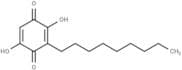
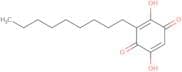
:2,5-dihydroxy-3-nonylbenzo-1,4-quinone
Description:
2,5-Dihydroxy-3-nonylbenzo-1,4-quinone, with the CAS number 38363-99-4, is a synthetic organic compound characterized by its quinone structure, which includes two hydroxyl groups and a nonyl side chain. This compound typically exhibits a yellow to orange color due to its conjugated system, which allows for light absorption in the visible spectrum. It is soluble in organic solvents and may have limited solubility in water, reflecting its hydrophobic nonyl group. The presence of hydroxyl groups contributes to its potential reactivity, allowing it to participate in various chemical reactions, including oxidation and complexation with metal ions. Additionally, quinones are known for their biological activity, which may include antioxidant properties. The compound's unique structure suggests potential applications in fields such as materials science, organic electronics, and possibly as a dye or pigment. However, specific safety and handling guidelines should be followed, as with all chemical substances, to mitigate any health or environmental risks associated with its use.
Formula:C15H22O4
Synonyms:- 2,5-dihydroxy-3-nonylbenzo-1,4-quinone
- 2,5-Cyclohexadiene-1,4-dione, 2,5-dihydroxy-3-nonyl-
- Homoembelin
Sort by
Purity (%)
0
100
|
0
|
50
|
90
|
95
|
100
Found 3 products.
Homoembelin
CAS:Homoembelin (2,5-dihydroxy-3-nonyl-1,4-benzoquinone) is a pigment from E.Formula:C15H22O4Purity:98%Color and Shape:SolidMolecular weight:266.33Homoembelin
CAS:Homoembelin is a chemical compound that is classified as a natural product alkaloid, which is derived from specific plant sources, notably the fruit of the plant Embelia ribes. It operates through a variety of biochemical interactions at the molecular level, including the inhibition of specific enzymes and modulation of signaling pathways. This mode of action has garnered interest due to its potential effects in various therapeutic contexts.Formula:C15H22O4Purity:Min. 95%Molecular weight:266.33 g/mol