CAS 38444-93-8
:PCB 40
Description:
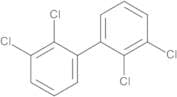
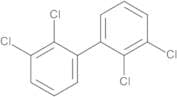
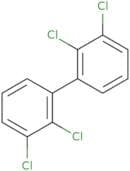
PCB 40, or polychlorinated biphenyl 40, is a member of the polychlorinated biphenyl (PCB) family, which consists of synthetic organic chemicals known for their industrial applications, particularly as coolants and insulating fluids in electrical equipment. PCB 40 is characterized by its chlorinated aromatic structure, which contributes to its chemical stability and resistance to degradation. This compound typically exhibits low volatility and high lipophilicity, leading to bioaccumulation in the environment and living organisms. PCBs, including PCB 40, are known for their potential toxic effects, including endocrine disruption and carcinogenic properties. Due to these health and environmental concerns, the production and use of PCBs have been heavily regulated or banned in many countries. PCB 40 can be found in various industrial applications, but its persistence in the environment poses significant challenges for remediation and management. Overall, while PCB 40 has useful properties in specific applications, its environmental and health impacts necessitate careful handling and regulation.
Formula:C12H6Cl4
InChI:InChI=1S/C12H6Cl4/c13-9-5-1-3-7(11(9)15)8-4-2-6-10(14)12(8)16/h1-6H
InChI key:InChIKey=VTLYHLREPCPDKX-UHFFFAOYSA-N
SMILES:ClC1=C(C=CC=C1Cl)C2=C(Cl)C(Cl)=CC=C2
Synonyms:- 1,1'-Biphenyl, 2,2',3,3'-Tetrachloro-
- 1,1′-Biphenyl, 2,2′,3,3′-tetrachloro-
- 2,2',3,3'-Pcb
- 2,2',3,3'-Tetrachloro-1,1'-biphenyl
- 2,2′,3,3′-Tetrachloro-1,1′-biphenyl
- 2,2′,3,3′-Tetrachlorobiphenyl
- 38444-93-8
- Pcb 40
Sort by
Purity (%)
0
100
|
0
|
50
|
90
|
95
|
100
Found 3 products.
PCB No. 40 10 µg/mL in Isooctane
CAS:Controlled ProductFormula:C12H6Cl4Color and Shape:Single SolutionMolecular weight:291.992,2',3,3'-Tetrachlorobiphenyl
CAS:Controlled Product<p>2,2',3,3'-Tetrachlorobiphenyl is an inhibitor that has been shown to have anticancer properties. It inhibits the growth of tumor cells by blocking the activity of protein kinases, which are enzymes that regulate cell division and proliferation. This compound has been tested in Chinese hamster ovary cells and has been found to induce apoptosis in cancer cells. Additionally, 2,2',3,3'-Tetrachlorobiphenyl has analog inhibitors that have been tested in human urine samples and have shown potential as anticancer agents. These analogs inhibit cyclin-dependent kinases (CDKs), which play a crucial role in regulating the cell cycle. The inhibition of CDKs leads to the suppression of cancer cell growth and division, making this compound a promising candidate for future cancer treatments.</p>Formula:C12H6Cl4Purity:Min. 95%Molecular weight:292 g/mol