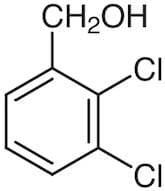
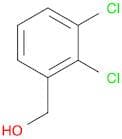
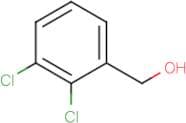
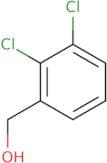
CAS 38594-42-2
:Dichlorobenzylalcohol; 98%
Description:
Dichlorobenzylalcohol, with the CAS number 38594-42-2, is an organic compound characterized by its aromatic structure, which includes a benzyl group substituted with two chlorine atoms and a hydroxyl group. This compound typically appears as a colorless to pale yellow liquid and is known for its antimicrobial properties, making it useful in various applications, particularly in the formulation of disinfectants and preservatives. It has a moderate boiling point and is soluble in organic solvents, while exhibiting limited solubility in water. The presence of chlorine atoms enhances its reactivity and potential for biological activity. Safety considerations include handling it with care, as it may cause skin and eye irritation. Additionally, proper storage conditions are essential to maintain its stability and efficacy. Overall, dichlorobenzylalcohol is valued in both industrial and consumer products for its functional properties, particularly in the realm of hygiene and preservation.
Formula:C7H6Cl2O
InChI:InChI=1/C7H6Cl2O/c8-6-3-1-2-5(4-10)7(6)9/h1-3,10H,4H2
SMILES:c1cc(CO)c(c(c1)Cl)Cl
Synonyms:- 2,3-Dichlorobenzyl alcohol
- (2,3-Dichlorophenyl)Methanol
Sort by
Purity (%)
0
100
|
0
|
50
|
90
|
95
|
100
Found 5 products.
2,3-Dichlorobenzyl Alcohol
CAS:Formula:C7H6Cl2OPurity:>98.0%(GC)Color and Shape:White to Almost white powder to crystalMolecular weight:177.02(2,3-Dichlorophenyl)methanol
CAS:Formula:C7H6Cl2OPurity:98%Color and Shape:SolidMolecular weight:177.02792,3-Dichlorobenzyl alcohol
CAS:2,3-Dichlorobenzyl alcohol (2,3-DCBA) is a chlorinated aromatic compound that is used as an industrial solvent. It has significant effects on aerobic bacteria and fungi. 2,3-DCBA inhibits the enzyme lactaldehyde dehydrogenase by covalent binding to its zinc atom. This inhibition leads to the accumulation of lactaldehyde in cells, which can be toxic. 2,3-DCBA also inhibits the enzyme catalase and the synthesis of DNA in eukaryotic cells. In addition, it can catalyze the dioxygenation of naphthalene to form a number of polychlorinated derivatives. The rate of naphthalene formation is dependent on temperature and pressure conditions.Formula:C7H6Cl2OPurity:Min. 95%Color and Shape:PowderMolecular weight:177.03 g/mol(2,3-Dichlorophenyl)methanol
CAS:Formula:C7H6Cl2OPurity:98%Color and Shape:SolidMolecular weight:177.02