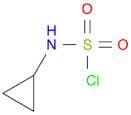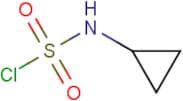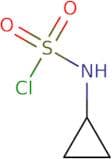
CAS 391912-54-2
:Cyclopropanamine, N-(chlorosulfonyl)-
Description:
Cyclopropanamine, N-(chlorosulfonyl)- is a chemical compound characterized by its unique structure, which includes a cyclopropane ring and a chlorosulfonyl functional group. This compound typically exhibits properties associated with both amines and sulfonyl chlorides, making it reactive and versatile in various chemical reactions. The presence of the chlorosulfonyl group suggests that it can participate in nucleophilic substitution reactions, where the sulfonyl chloride can act as an electrophile. Additionally, the cyclopropane ring contributes to the compound's strain and reactivity, potentially influencing its stability and interaction with other molecules. Cyclopropanamine derivatives are often explored in synthetic organic chemistry for their potential applications in pharmaceuticals and agrochemicals. Safety considerations are paramount when handling this compound due to its reactive nature, and appropriate precautions should be taken to mitigate risks associated with exposure to chlorosulfonyl groups. Overall, Cyclopropanamine, N-(chlorosulfonyl)- is a compound of interest for its chemical reactivity and potential utility in various synthetic applications.
Formula:C3H6ClNO2S
Sort by
Purity (%)
0
100
|
0
|
50
|
90
|
95
|
100
Found 3 products.
N-cyclopropylsulfamoyl chloride
CAS:Formula:C3H6ClNO2SPurity:95%Color and Shape:SolidMolecular weight:155.6032Cyclopropylsulfamoyl Chloride
CAS:Cyclopropylsulfamoyl ChloridePurity:≥95%Molecular weight:155.60g/molN-Cyclopropylsulfamoyl chloride
CAS:N-Cyclopropylsulfamoyl chloride is an inhibitor of the enzyme sulfatase, which catalyzes the cleavage of sulphate esters into alcohols and sulphonic acids. This compound has been shown to have a therapeutic effect in patients with chronic kidney disease. It prevents hepatic steatosis by inhibiting the activity of enzymes involved in fatty acid synthesis. N-Cyclopropylsulfamoyl chloride also inhibits transfer reactions that are involved in the biosynthesis of a number of biologically active molecules, including heparin and coagulation factors.Formula:C3H6ClNO2SPurity:Min. 95%Molecular weight:155.6 g/mol