CAS 39450-01-6
:Proteinase K
Description:
Proteinase K is a serine protease enzyme widely used in molecular biology for its ability to digest proteins and facilitate the extraction of nucleic acids. It is derived from the fungus Tritirachium album and is characterized by its broad substrate specificity, allowing it to cleave peptide bonds adjacent to both aliphatic and aromatic amino acids. Proteinase K is particularly effective at functioning in a wide range of pH levels and temperatures, making it a versatile tool in various laboratory applications. It is commonly employed in DNA and RNA purification protocols, as it can effectively degrade proteins that may interfere with nucleic acid extraction. Additionally, Proteinase K is resistant to inhibition by detergents and can remain active in the presence of chaotropic agents, which further enhances its utility in nucleic acid isolation. The enzyme is typically supplied as a lyophilized powder and is reconstituted in buffer solutions for use in experiments. Its stability and efficiency make it a staple in molecular biology research and diagnostics.
Formula:Unspecified
Synonyms:- E.C. 3.4.21.64
- Endopeptidase K
- Prok
- Protease K
- Proteinase K
- Proteinase, Tritirachium album-Serin→
- Tritirachium album proteinase K
- proteinasa, serina de Tritirachium album
- proteinase, serine, Tritirachium album
- proteinase K crude
- PROTEINASE K, IMMOBILIZED
- Proteinase, Tritirachium album serine
- IUB: 3.4.21.64
- PROTEINASE K, LYOPHILIZED
- EC 3.4.21.64
- Proteinase K from Tritirachium album limber, Recombinant
- EC 3.4.21.14
- proteinase K from tritrachium album
- proteinase K aseptically filled
- Recombinant Proteinase K
- IUB: 3.4.21.14
- proteinase K solution in 40%*(V/V) glycerol
- 3.4.21.14
- See more synonyms
Sort by
Purity (%)
0
100
|
0
|
50
|
90
|
95
|
100
Found 15 products.
Proteinase K
CAS:Purity:≥ 30units/mg (pH 7.5, 37°C, dried basis)Color and Shape:White or almost white lyophilized powderMolecular weight:-Proteinase K, from Tritirachium album
CAS:Proteinase K, from Tritirachium albumPurity:The product has been tested (Typical Value in Batch COA)Color and Shape: white crystalline solidProteinase K
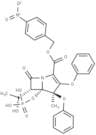
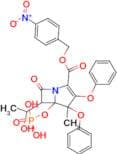
CAS:Proteinase K (Protease K) is a non-specific serine protease. Proteinase K hydrolyzes peptide bonds and is used for protein digestion. Cost-effective and quality-assured.Formula:C29H27N2O12PPurity:98%Color and Shape:SolidMolecular weight:626.511Proteinase K, high-quality, liquid, recombinant
CAS:Proteinase K, high-quality, liquid, recombinant is an advanced enzymatic product, which is a serine protease derived through recombinant DNA technology. It cleaves peptide bonds to facilitate protein digestion with broad substrate specificity. Its robust proteolytic activity is optimal under various conditions, including a wide range of temperatures and pH levels, making it incredibly versatile.Proteinase K, freeze-dried, recombinant
CAS:Proteinase K, freeze-dried, recombinant is an enzyme preparation used extensively in molecular biology and biochemistry. It is derived through recombinant DNA technology, producing a highly pure enzyme that is expressed in a non-pathogenic host. Its mode of action involves the non-specific cleavage of peptide bonds in proteins, making it a critical tool for protein digestion.Proteinase K - from Candida albicans
CAS:Proteinase K is used for the general digestion of proteins and removal of protein contamination in nucleic acids. Addition of Protease K also stabilizes nucleic acids by degrading any nucleases present. Proteinase K is active in wide range of pH range, in the presence of SDS, urea and Guanidinium chloride at low to moderate concentrations. Proteinase K is also known under names of protease K and endopeptidase K.Purity:Min. 95%Proteinase K Solution
CAS:20mg/ml aq. solution. Proteinase K is used for the general digestion of proteins and removal of protein contamination in nucleic acids. Addition of Protease K also stabilizes nucleic acids but degrading any nucleases present. Proteinase K is active in wide range of pH range, in the presence of SDS, urea and Guanidinium chloride at low to moderate concentrations. Proteinase K is also known under names of protease K and endopeptidase K.
Color and Shape:Clear LiquidProteinase K ex. PichiaPastoris (Type E - Recombinant) for molecular biology & PCR, 40U/mg protein
CAS:Purity:70%Color and Shape:White, Crystalline powderProteinase K ex. PichiaPastoris (Type D - Recombinant) for molecular biology & PCR, 30U/mg protein
CAS:Purity:70%Color and Shape:White, Crystalline powderProteinase K ex. Tritirachium Album (Type A) for molecular biology, 30U/mg protein
CAS:Purity:70%Color and Shape:White, Crystalline powderProteinase K - from Tritirachium album
CAS:Proteinase K is used for the general digestion of proteins and removal of protein contamination in nucleic acids. Addition of Protease K also stabilizes nucleic acids by degrading any nucleases present. Proteinase K is active in wide range of pH range, in the presence of SDS, urea and Guanidinium chloride at low to moderate concentrations. Proteinase K is also known under names of protease K and endopeptidase K.Proteinase K, high-quality, freeze-dried, recombinant
CAS:A proteolytic enzyme; degrades protein contaminants in nucleic acid preparations