CAS 39621-00-6
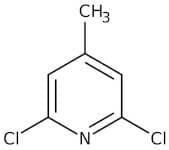
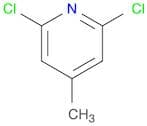
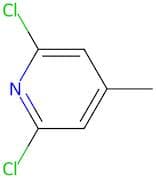
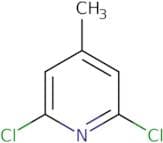
:2,6-Dichloro-4-methylpyridine
Description:
2,6-Dichloro-4-methylpyridine is a heterocyclic organic compound characterized by a pyridine ring substituted with two chlorine atoms at the 2 and 6 positions and a methyl group at the 4 position. Its molecular formula is C7H6Cl2N, and it has a molecular weight that reflects its composition of carbon, hydrogen, chlorine, and nitrogen. This compound typically appears as a colorless to pale yellow liquid or solid, depending on the temperature and purity. It is known for its moderate to low solubility in water but is more soluble in organic solvents such as ethanol and acetone. 2,6-Dichloro-4-methylpyridine is primarily used in the synthesis of various pharmaceuticals and agrochemicals, and it may exhibit biological activity, making it of interest in medicinal chemistry. Safety data indicates that it should be handled with care due to potential toxicity and environmental impact. Proper storage and disposal methods are essential to mitigate risks associated with its use.
Formula:C6H5Cl2N
InChI:InChI=1/C6H5Cl2N/c1-4-2-5(7)9-6(8)3-4/h2-3H,1H3
SMILES:Cc1cc(Cl)nc(c1)Cl
Synonyms:- Pyridine, 2,6-dichloro-4-methyl-
- 2,6-Dichloro-4-Picoline
Sort by
Purity (%)
0
100
|
0
|
50
|
90
|
95
|
100
Found 5 products.
2,6-Dichloro-4-methylpyridine, 95%
CAS:This Thermo Scientific Chemicals brand product was originally part of the Alfa Aesar product portfolio. Some documentation and label information may refer to the legacy brand. The original Alfa Aesar product / item code or SKU reference has not changed as a part of the brand transition to Thermo Sci
Formula:C6H5Cl2NPurity:95%Molecular weight:162.012,6-Dichloro-4-methylpyridine
CAS:Formula:C6H5Cl2NPurity:98%Color and Shape:SolidMolecular weight:162.01662,6-Dichloro-4-methylpyridine
CAS:2,6-Dichloro-4-methylpyridineFormula:C6H5Cl2NPurity:≥95%Color and Shape: faint orange powderMolecular weight:162.02g/mol2,6-Dichloro-4-methylpyridine
CAS:2,6-Dichloro-4-methylpyridine is a chemical compound that belongs to the class of dendrons. It is used for the functionalisation of imidazole and propiolate moieties. The derivates of 2,6-dichloro-4-methylpyridine can be made by coupling with pyrazole or dimethylacetal. This compound reacts with methylene halides in nucleophilic substitution reactions to produce methyl propiolate.Formula:C6H5Cl2NPurity:Min. 95%Color and Shape:PowderMolecular weight:162.02 g/mol