CAS 41195-90-8
:2,3-Dichlorophenyl isocyanate
Description:
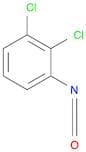
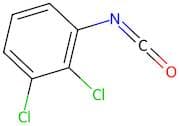
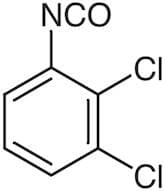
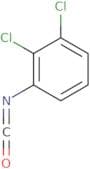
2,3-Dichlorophenyl isocyanate is an organic compound characterized by its isocyanate functional group (-N=C=O) attached to a dichlorophenyl ring. It typically appears as a colorless to pale yellow liquid with a pungent odor. This compound is known for its reactivity, particularly in forming ureas and carbamates through nucleophilic addition reactions with amines and alcohols. It is also utilized in the synthesis of various pharmaceuticals and agrochemicals. The presence of chlorine atoms on the phenyl ring enhances its electrophilic character, making it a useful intermediate in organic synthesis. However, due to its isocyanate group, it poses health hazards, including respiratory irritation and potential sensitization, necessitating careful handling and appropriate safety measures. Additionally, it is important to note that 2,3-Dichlorophenyl isocyanate is subject to regulations regarding its use and disposal due to its potential environmental impact.
Formula:C7H3Cl2NO
InChI:InChI=1S/C7H3Cl2NO/c8-5-2-1-3-6(7(5)9)10-4-11/h1-3H
InChI key:InChIKey=FYWJWWMKCARWQG-UHFFFAOYSA-N
SMILES:N(=C=O)C1=C(Cl)C(Cl)=CC=C1
Synonyms:- 1,2-Dichloro-3-isocyanatobenzene
- 2,3-Dichlorophenyl isocyanate
- Benzene, 1,2-dichloro-3-isocyanato-
Sort by
Purity (%)
0
100
|
0
|
50
|
90
|
95
|
100
Found 4 products.
Benzene, 1,2-dichloro-3-isocyanato-
CAS:Formula:C7H3Cl2NOPurity:97%Color and Shape:LiquidMolecular weight:188.01082,3-Dichlorophenyl Isocyanate
CAS:Formula:C7H3Cl2NOPurity:>97.0%(GC)Color and Shape:Colorless to Light yellow to Light orange clear liquidMolecular weight:188.012,3-Dichlorophenyl isocyanate
CAS:2,3-Dichlorophenyl isocyanate is a diphenyl ether that has been used as an intermediate in the synthesis of other chemicals. It can be absorbed through the skin and may cause toxic effects to the gastrointestinal tract, such as ulceration, hemorrhage, and perforation. 2,3-Dichlorophenyl isocyanate is metabolized by cytochrome P450 enzymes to a reactive metabolite that causes damage to cells in the lungs. This compound also binds to chemokine receptors on inflammatory cells and blocks their ability to stimulate inflammatory reactions. This activity may be partially responsible for its antiinflammatory properties.Formula:C7H3Cl2NOPurity:Min. 95%Color and Shape:Clear LiquidMolecular weight:188.01 g/mol