CAS 421558-76-1
:Artemyriantholide D
Description:
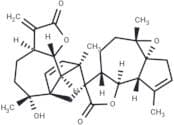
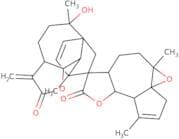
Artemyriantholide D is a chemical compound that belongs to a class of natural products known for their potential pharmacological properties. It is derived from certain plant species, particularly those in the Artemisia genus, which are known for their medicinal uses. The compound is characterized by its unique molecular structure, which includes specific functional groups that contribute to its biological activity. Artemyriantholide D has been studied for its potential anti-inflammatory and anti-cancer properties, making it of interest in medicinal chemistry and drug development. Its CAS number, 421558-76-1, serves as a unique identifier for this substance in chemical databases, facilitating research and communication within the scientific community. As with many natural products, the extraction and purification processes can be complex, and the compound's stability and reactivity may vary depending on environmental conditions. Further research is ongoing to fully elucidate its mechanisms of action and potential therapeutic applications.
Formula:C30H36O6
Synonyms:- Artemyriantholide D
- Spiro[4H-6a,9-ethanoazuleno[4,5-b]furan-10,7'(8'H)-[3H]oxireno[8,8a]azuleno[4,5-b]furan]-2,8'(3H)-dione, 3a,4'a,5,5',6,6',6'a,9,9a,9'a,9b,9'b-dodecahydro-6-hydroxy-1',4'a,6,9-tetramethyl-3-methylene-, (3aS,3'aR,4'aS,6R,6aR,6'aS,7'R,9R,9aS,9'aS,9bS,9'bR)- (9CI)
Sort by
Purity (%)
0
100
|
0
|
50
|
90
|
95
|
100
Found 3 products.
Artemyriantholide D
CAS:<p>Artemyriantholide D is a natural product for research related to life sciences. The catalog number is TN3455 and the CAS number is 421558-76-1.</p>Formula:C30H36O6Purity:98%Color and Shape:SolidMolecular weight:492.612Artemyriantholide D
CAS:<p>Artemyriantholide D is a sesquiterpene lactone, which is a type of natural compound often isolated from plants. It is derived from Artemisia species, a genus known for its rich production of bioactive compounds with various therapeutic properties. The mode of action of Artemyriantholide D involves interactions with cellular pathways that can influence cell growth and induction of apoptosis, making it a compound of interest in anti-cancer research. It has shown potential in modulating immune responses and tackling inflammation.</p>Formula:C30H36O6Purity:Min. 95%Molecular weight:492.6 g/mol