CAS 4275-43-8
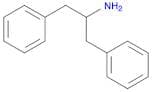
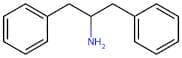
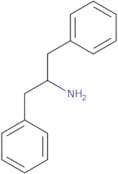
:alpha-benzylphenethylamine
Description:
Alpha-benzylphenethylamine, also known by its CAS number 4275-43-8, is an organic compound that belongs to the class of phenethylamines. It features a phenethylamine backbone with a benzyl group attached to the alpha position of the ethyl chain. This compound is characterized by its aromatic structure, which contributes to its potential biological activity. Alpha-benzylphenethylamine is often studied for its psychoactive properties and may exhibit stimulant effects similar to other phenethylamines. It is typically a colorless to pale yellow liquid or solid, depending on its purity and form. The compound is soluble in organic solvents but has limited solubility in water. Due to its structural similarity to other compounds in the phenethylamine family, it may interact with neurotransmitter systems in the brain, although specific pharmacological effects can vary. As with many such compounds, safety and regulatory considerations are important, and it is essential to handle it with care in laboratory settings.
Formula:C15H18ClN
InChI:InChI=1/C15H17N.ClH/c16-15(11-13-7-3-1-4-8-13)12-14-9-5-2-6-10-14;/h1-10,15H,11-12,16H2;1H
SMILES:c1ccc(cc1)CC(Cc1ccccc1)N.Cl
Synonyms:- 1-Benzyl-2-Phenylethylamine
- 1,3-Diphenylpropan-2-Amine
- 1,3-Diphenylpropan-2-Amine Hydrochloride (1:1)
Sort by
Purity (%)
0
100
|
0
|
50
|
90
|
95
|
100
Found 6 products.
1,3-Diphenyl-2-aminopropane
CAS:Formula:C15H17NPurity:97%Color and Shape:SolidMolecular weight:211.30221,3-Diphenylpropan-2-amine
CAS:Controlled Product1,3-Diphenylpropan-2-amine is a molecule with a hydrophobic nature. It has been shown to activate the enzyme monoamine oxidase in the brain, leading to an increase in the production of heat and causing hyperthermia. 1,3-Diphenylpropan-2-amine is metabolized by isozymes in different tissues and organs. 1,3-Diphenylpropan-2-amine interacts with pethidine (meperidine) to produce meperidine analogues, which are active at opioid receptors. These meperidine analogues have been shown to cause respiratory depression and hypotension when administered intravenously. The benzyl groups on this molecule have also been shown to interact with imidazoles such as ketoconazole and clotrimazole.
Formula:C15H17NPurity:Min. 95%Molecular weight:211.3 g/mol