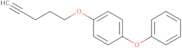
CAS 42873-80-3
:Dofenapyn
Description:
Dofenapyn, with the CAS number 42873-80-3, is a chemical compound that belongs to the class of substances known as phenylpyridines. It is primarily recognized for its application in agricultural practices, particularly as a fungicide. The compound exhibits a broad spectrum of activity against various fungal pathogens, making it valuable in crop protection. Dofenapyn functions by inhibiting specific biochemical pathways in fungi, thereby preventing their growth and reproduction. In terms of physical properties, it typically appears as a solid or liquid depending on its formulation, and it is characterized by its relatively low volatility and stability under standard conditions. Safety data indicates that, like many agrochemicals, it should be handled with care, adhering to safety guidelines to minimize exposure. Environmental impact assessments are essential to evaluate its persistence and potential effects on non-target organisms. Overall, Dofenapyn represents an important tool in integrated pest management strategies, contributing to sustainable agricultural practices.
Formula:C17H16O2
InChI:InChI=1S/C17H16O2/c1-2-3-7-14-18-15-10-12-17(13-11-15)19-16-8-5-4-6-9-16/h1,4-6,8-13H,3,7,14H2
InChI key:InChIKey=PNXGNYJXJBKFRG-UHFFFAOYSA-N
SMILES:O(C1=CC=C(OCCCC#C)C=C1)C2=CC=CC=C2
Synonyms:- 1-(4-Pentyn-1-yloxy)-4-phenoxybenzene
- 1-(4-Pentynyloxy)-4-phenoxybenzene
- 1-(Pent-4-in-1-yloxy)-4-phenoxybenzol
- 4-(4-Pentyn-1-yloxy)diphenylether
- 4-(Pent-4-ynyloxy)phenyl Phenyl Ether
- 42873-80-3
- Benzene, 1-(4-pentyn-1-yloxy)-4-phenoxy-
- Benzene, 1-(4-pentynyloxy)-4-phenoxy-
- Cga 29170
- Dofenapyn
Sort by
Purity (%)
0
100
|
0
|
50
|
90
|
95
|
100
Found 1 products.
Dofenapyn
CAS:Dofenapyn is an inhibitor of kinases that has shown promising results in the treatment of various types of cancer. It has been tested on human tumor cells and Chinese hamster ovary cells, inhibiting their growth and inducing apoptosis. Dofenapyn is an analog of a protein kinase inhibitor and has been shown to be effective against several types of cancer, including breast cancer, lung cancer, and colon cancer. It also shows anticancer activity against chitosan-induced tumors in mice. This drug can be administered orally or injected into the bloodstream, and it is excreted primarily through urine. Its potential as a novel anticancer agent makes it a promising candidate for further research and development.Formula:C17H16O2Purity:Min. 95%Molecular weight:252.31 g/mol