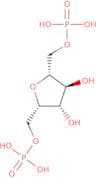
CAS 4429-47-4
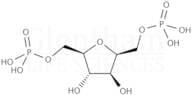
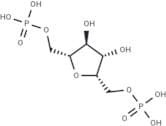
:2,5-Anhydro-D-glucitol-1,6-diphosphate
2,5-Anhydro-D-glucitol-1,6-diphosphate
CAS:2,5-Anhydro-D-glucitol-1,6-diphosphate mildly stimulates yeast Pyruvate Kinase; it's an analogue of a potent activator.Formula:C6H14O11P2Color and Shape:SolidMolecular weight:324.122,5-Anhydro-D-glucitol-1,6-diphosphate
CAS:Formula:C6H14O11P2Color and Shape:Colourless To BrownMolecular weight:324.122,5-Anhydro-D-glucitol-1,6-diphosphate
CAS:2,5-Anhydro-D-glucitol-1,6-diphosphate is a cell signaling molecule that is involved in the regulation of glycolysis and the phosphofructokinase enzyme. It binds to platelets and regulates platelet aggregation. This enzyme has been shown to be a potential drug target for cancer. Cancer cells have been found to contain higher concentrations of 2,5-Anhydro-D-glucitol-1,6-diphosphate than their normal counterparts. The increased concentration of this enzyme in cancer cells is due to an allosteric change in the enzyme’s activity. The increased activity leads to a more rapid metabolism of glucose, which provides energy for tumor growth and metastasis. This enzyme can be used as a marker for malignancy in human diseases such as breast cancer or prostate cancer.
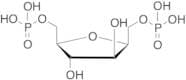
Formula:C6H14O11P2Purity:Min. 98%Color and Shape:Clear LiquidMolecular weight:324.12 g/mol