CAS 4525-65-9
:2,4,6-Trichlorophenyl Formate
Description:
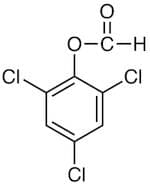
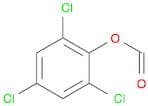
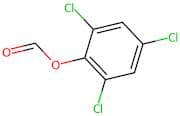
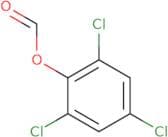
2,4,6-Trichlorophenyl Formate, with the CAS number 4525-65-9, is an organic compound characterized by its structure, which includes a phenyl ring substituted with three chlorine atoms at the 2, 4, and 6 positions, and a formate group. This compound is typically a colorless to pale yellow liquid with a distinctive odor. It is known for its use in various chemical applications, including as an intermediate in the synthesis of other organic compounds. The presence of chlorine atoms contributes to its reactivity and potential applications in agrochemicals and pharmaceuticals. 2,4,6-Trichlorophenyl Formate is soluble in organic solvents but has limited solubility in water, which influences its behavior in environmental contexts. Safety precautions are necessary when handling this compound, as it may pose health risks through inhalation or skin contact. Proper storage and disposal methods should be followed to mitigate any environmental impact.
Sort by
Purity (%)
0
100
|
0
|
50
|
90
|
95
|
100
Found 5 products.
2,4,6-Trichlorophenyl Formate
CAS:Formula:C7H3Cl3O2Purity:>97.0%(HPLC)Color and Shape:White to Almost white powder to crystalMolecular weight:225.452,4,6-Trichlorophenyl formate
CAS:Formula:C7H3Cl3O2Purity:95%Color and Shape:SolidMolecular weight:225.45652,4,6-Trichlorophenyl formate
CAS:2,4,6-Trichlorophenyl formateFormula:C7H3Cl3O2Purity:95%Color and Shape: white crystalline needlesMolecular weight:225.46g/mol2,4,6-Trichlorophenyl Formate
CAS:Formula:C7H3Cl3O2Purity:95%Color and Shape:Solid, White to almost white powderMolecular weight:225.452,4,6-Trichlorophenyl Formate
CAS:2,4,6-Trichlorophenyl Formate is a reactive cyclic triflate that can be used as a surrogate for carbonyl compounds. It is used in the synthesis of carbonyl compounds and has been shown to react with a number of nucleophiles, including halides. 2,4,6-Trichlorophenyl Formate also reacts with formic acid to yield imidazoles. This compound has been shown to deacetylate histones and may be useful in the treatment of cancer and other diseases associated with abnormal protein acetylation.Formula:C7H3Cl3O2Purity:Min. 95%Molecular weight:225.45 g/mol