CAS 4532-33-6
:9H-Carbazole,1-methoxy-3-methyl-
Description:
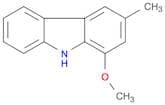
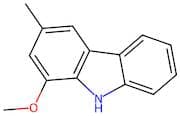
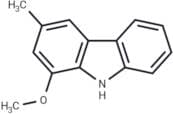
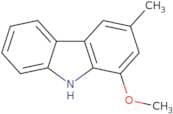
9H-Carbazole, 1-methoxy-3-methyl- (CAS 4532-33-6) is an organic compound characterized by its structure, which includes a carbazole core with a methoxy group and a methyl group attached. This compound typically exhibits a fused bicyclic structure, which contributes to its aromatic properties. It is generally a solid at room temperature and may appear as a crystalline or powder form. The presence of the methoxy group enhances its solubility in organic solvents and can influence its reactivity and interaction with other chemical species. 9H-Carbazole derivatives are often studied for their potential applications in organic electronics, such as in light-emitting diodes (LEDs) and photovoltaic cells, due to their favorable electronic properties. Additionally, compounds like this may exhibit fluorescence and have implications in materials science and medicinal chemistry. Safety data should be consulted for handling and exposure guidelines, as with any chemical substance.
Formula:C14H13NO
Synonyms:- Carbazole,1-methoxy-3-methyl- (7CI,8CI)
- 1-Methoxy-3-methylcarbazole
- Murrayafoline A
- Nsc 654284
Sort by
Purity (%)
0
100
|
0
|
50
|
90
|
95
|
100
Found 5 products.
1-Methoxy-3-Methylcarbazole
CAS:Formula:C14H13NOPurity:97%Color and Shape:SolidMolecular weight:211.25911-Methoxy-3-Methyl-9H-Carbazole
CAS:1-Methoxy-3-Methyl-9H-CarbazolePurity:97%Molecular weight:211.26g/molMurrayafoline A
CAS:Murrayafoline A is a useful organic compound for research related to life sciences. The catalog number is T124835 and the CAS number is 4532-33-6.Formula:C14H13NOColor and Shape:SolidMolecular weight:211.2641-Methoxy-3-methyl-9H-carbazole
CAS:Formula:C14H13NOPurity:97%Color and Shape:SolidMolecular weight:211.2641-Methoxy-3-methyl-9H-carbazole
CAS:Vinorelbine tartrate is a semisynthetic anti-cancer drug that inhibits the growth of cancer cells. It is structurally related to natural products and has an inhibitory effect on cell growth. Vinorelbine tartrate binds to the cell membrane receptor, which causes an increase in intracellular calcium levels and subsequent activation of protein kinases. It also inhibits the production of certain growth factors and increases the synthesis of wst-1, a marker for cellular proliferation. Vinorelbine tartrate has been shown to cause significant cytotoxicity in cardiomyocytes from rats and ventricular myocytes from humans. This chemical has been shown to enhance the cytotoxicity of other chemotherapeutic agents, such as doxorubicin, vincristine sulfate, cisplatin, and etoposide phosphate. Vinorelbine tartrate binds to ryanodine receptors on the sarcoplasmic reticulum membrane, causing anFormula:C14H13NOPurity:Min. 95%Molecular weight:211.26 g/mol