CAS 4547-43-7
:Hexanoic acid, 6-hydroxy-, methyl ester
Description:
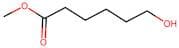
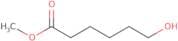
Hexanoic acid, 6-hydroxy-, methyl ester, also known as methyl 6-hydroxyhexanoate, is an organic compound characterized by its ester functional group derived from hexanoic acid and a hydroxyl group at the sixth carbon position. This compound typically appears as a colorless to pale yellow liquid with a pleasant, fruity odor. It is soluble in organic solvents and exhibits limited solubility in water due to its hydrophobic hexanoic acid backbone. The presence of the hydroxyl group contributes to its reactivity, allowing it to participate in various chemical reactions, such as esterification and transesterification. Hexanoic acid derivatives are often utilized in the production of surfactants, flavoring agents, and fragrances. Additionally, this compound may have applications in the synthesis of polymers and other chemical intermediates. Safety data indicates that it should be handled with care, as it may cause irritation to the skin and eyes upon contact. Proper safety measures, including the use of personal protective equipment, are recommended when working with this substance.
Formula:C7H14O3
InChI:InChI=1S/C7H14O3/c1-10-7(9)5-3-2-4-6-8/h8H,2-6H2,1H3
InChI key:InChIKey=YDJZXHZRXDLCEH-UHFFFAOYSA-N
SMILES:C(CCCCCO)(OC)=O
Synonyms:- 5-Methoxycarbonylpentanol
- 6-Hydroxycaproic acid methyl ester
- 6-Hydroxyhexanoic Acid Methyl Ester
- Hexanoic Acid, 6-Hydroxy-, Methyl Ester
- Methyl 6-hydroxycaproate
- Methyl ε-hydroxycaproate
- Methyl 6-hydroxyhexanoate
- Methyl 6-hydroxyhexanoate
Sort by
Purity (%)
0
100
|
0
|
50
|
90
|
95
|
100
Found 3 products.
Methyl 6-hydroxyhexanoate
CAS:Methyl 6-hydroxyhexanoate is a reaction intermediate in the synthesis of glycol ethers and polycarboxylic acids. It is also used as a precursor for monoclonal antibodies for cancer therapy. Methyl 6-hydroxyhexanoate reacts with metal ions to form hydrogen bonds, which are important in the stabilization of the covalent bond between the two compounds. This reaction is catalyzed by an enzyme called lipase. The rate of this reaction is increased by adding glycosidation, which increases the number of hydrogen bonding sites on the compound. Methyl 6-hydoxyhexanoate can also be produced from methyl hydroxy and glycol ethers through a reaction that involves metal ion, glycosidation, and a lipase. The antigenicity of methyl 6-hydroxyhexanoate can be altered by changing its carboxyl group to a benzyl group.Formula:C7H14O3Purity:Min. 95%Molecular weight:146.18 g/molMethyl 6-hydroxyhexanoate
CAS:Formula:C7H14O3Purity:95%Color and Shape:LiquidMolecular weight:146.186