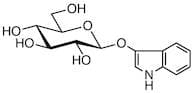
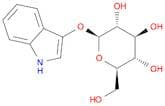
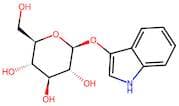
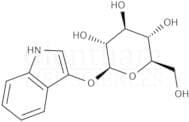
CAS 487-60-5
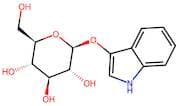
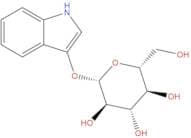
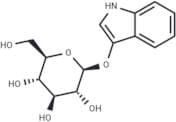
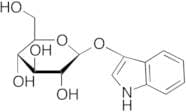
:Indoxyl-β-D-glucoside
Description:
Indoxyl-β-D-glucoside is a chemical compound characterized by its structure, which consists of an indoxyl moiety linked to a β-D-glucoside. This compound is typically a white to off-white crystalline solid that is soluble in water and organic solvents, reflecting its glycosidic nature. It is known for its role as a precursor in various biochemical pathways, particularly in the biosynthesis of indigo, a well-known dye. Indoxyl-β-D-glucoside can undergo hydrolysis to release indoxyl, which can then oxidize to form indigo under appropriate conditions. The compound is often utilized in research and analytical applications, particularly in studies related to plant biochemistry and enzymatic reactions. Its stability and reactivity can be influenced by factors such as pH and temperature, making it an interesting subject for further investigation in both synthetic and natural processes. Safety data should be consulted before handling, as with any chemical substance, to ensure proper precautions are taken.
Formula:C14H17NO6
InChI:InChI=1S/C14H17NO6/c16-6-10-11(17)12(18)13(19)14(21-10)20-9-5-15-8-4-2-1-3-7(8)9/h1-5,10-19H,6H2/t10-,11-,12+,13-,14-/m1/s1
InChI key:InChIKey=XVARCVCWNFACQC-RKQHYHRCSA-N
SMILES:O(C=1C=2C(NC1)=CC=CC2)[C@@H]3O[C@H](CO)[C@@H](O)[C@H](O)[C@H]3O
Synonyms:- (2S,3S,4R,5S,6R)-2-(hydroxymethyl)-6-(1H-indol-3-yloxy)tetrahydropyran-3,4,5-triol
- 1H-Indol-3-yl β-<span class="text-smallcaps">D</span>-glucopyranoside
- 1H-indol-3-yl D-glucopyranoside
- 1H-indol-3-yl beta-D-glucopyranoside
- 1H-indol-3-yl hydrogen sulfate
- 3-(Glucosyloxy)indole
- 3-Indoxyl-beta-D-glucoside
- Indican
- Indican (glucoside)
- Indole, 3-(β-<span class="text-smallcaps">D</span>-glucopyranosyloxy)-
- Indoxyl-β-<span class="text-smallcaps">D</span>-glucoside
- NSC 87517
- Uroxanthin
- β-<span class="text-smallcaps">D</span>-Glucopyranoside, 1H-indol-3-yl
- β-D-Glucopyranoside, 1H-indol-3-yl
- Indole, 3-(β-D-glucopyranosyloxy)-
- See more synonyms
Sort by
Purity (%)
0
100
|
0
|
50
|
90
|
95
|
100
Found 12 products.
Indican (Plant Indican)
CAS:Formula:C14H17NO6Purity:>98.0%(HPLC)Color and Shape:White to Light yellow to Light orange powder to crystalMolecular weight:295.293-Indolyl-b-D-glucopyranoside
CAS:Formula:C14H17NO6Purity:97%Color and Shape:SolidMolecular weight:295.28793-Indolyl b-D-glucopyranoside
CAS:Formula:C14H17NO6Purity:≥ 97.0%Color and Shape:White to off-white powderMolecular weight:295.293-Indolyl-β-D-glucopyranoside
CAS:3-Indolyl-β-D-glucopyranosideFormula:C14H17NO6Purity:97%Color and Shape: white to off-white powderMolecular weight:295.28788g/mol3-Indoxyl-β-D-glucopyranoside
CAS:M04115 - 3-Indoxyl-beta-D-glucopyranoside
Formula:C14H17NO6Purity:98%Color and Shape:SolidMolecular weight:295.291Indican
CAS:Indican (Indoxyl-β-D-glucoside) is a natural protective compound that is used to protect the liver.Formula:C14H17NO6Purity:99.78% - 99.92%Color and Shape:White To Off-White Crystalline PowderMolecular weight:295.29Indoxyl-β-D-glucoside
CAS:Controlled ProductFormula:C14H17NO6Color and Shape:White To GreyMolecular weight:295.293-Indoxyl-beta-D-glucopyranoside anhydrous
CAS:The maunfacturing of blue jeans started 150 years ago as workwear, and are found nowadays in almost every wardrobe. Their renowned indigo color tone is truly unique; nevertheless, the high demand for the dye poses serious sustainability and environmental problems connected with its manufacturing process. Recently, a group of scientists presented an alternative indigo dyeing method inspired by the indoxyl glucoconjugate present in the plant P.tinctorium. The researchers proposed as an alternative approach a biocatalytic process using recombinant E.coli to access water soluble β-gluco-indoxyl (indican). At the point of coloring, indican gets hydrolyzed by β-glucosidase enzymes forming indoxyl, which suddenly undergoes oxidation to leucoindigo and further crystallizes to indigo giving the typical blue denim its signature character.Formula:C14H17NO6Purity:Min. 99.0 Area-%Molecular weight:295.29 g/mol