CAS 488-44-8
:Allitol
Description:
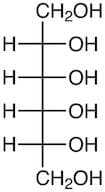
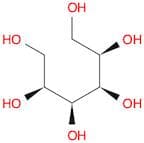
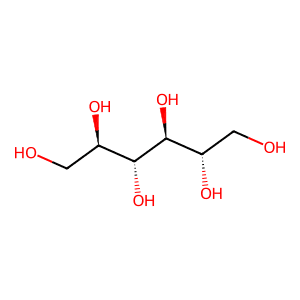
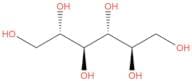
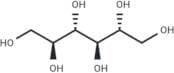
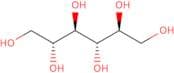
Allitol, with the CAS number 488-44-8, is a sugar alcohol that is derived from the reduction of sugars, specifically D-mannitol. It is a white crystalline solid that is soluble in water, making it suitable for various applications in the food and pharmaceutical industries. Allitol is known for its sweet taste, which is similar to that of sucrose, but it has a lower caloric value, making it a popular choice as a sugar substitute in low-calorie and sugar-free products. Additionally, it exhibits humectant properties, helping to retain moisture in food products. Allitol is non-cariogenic, meaning it does not contribute to tooth decay, which adds to its appeal as a sweetener. Its safety profile is generally regarded as favorable, with minimal gastrointestinal side effects compared to other sugar alcohols. Overall, allitol serves as a versatile ingredient in various formulations, contributing both sweetness and functional benefits.
Formula:C6H14O6
InChI:InChI=1/C6H14O6/c7-1-3(9)5(11)6(12)4(10)2-8/h3-12H,1-2H2/t3-,4+,5-,6+
InChI key:InChIKey=FBPFZTCFMRRESA-FBXFSONDNA-N
SMILES:[C@@H]([C@@H]([C@@H](CO)O)O)([C@H](CO)O)O
Synonyms:- Allit
- Allodulcit
- Allodulcitol
- Allitol
Sort by
Purity (%)
0
100
|
0
|
50
|
90
|
95
|
100
Found 7 products.
Allitol
CAS:Formula:C6H14O6Purity:>98.0%(GC)Color and Shape:White to Almost white powder to crystalMolecular weight:182.17Allitol
CAS:Allitol (d-allitol) is a substrate for the production of L-form ketoses and aldoses.Formula:C6H14O6Purity:98% - 99.89%Color and Shape:SolidMolecular weight:182.17Allitol
CAS:Allitol is a sugar alcohol that is used as a sweetener. It can be found naturally in some fruits and vegetables, but it can also be produced by hydrogenation of xylose. Allitol is metabolized by the liver and has been shown to inhibit fatty acid synthesis. It also has insulin-resistance effects, which may be due to its ability to inhibit the conversion of glucose into fatty acids. Allitol has been shown to decrease the levels of hydrochloric acid in the stomach, which may lead to an increase in gastric pH. Allitol will react with strong bases such as sodium hydroxide or potassium hydroxide to form d-talitol and polycarboxylic acid, respectively. Magnetic resonance spectroscopy (MRS) can be used to study the biochemical properties of allitol because it has a unique magnetic resonance spectrum (MRS).Formula:C6H14O6Purity:Min. 98 Area-%Color and Shape:PowderMolecular weight:182.17 g/mol