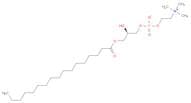
CAS 50930-23-9
:L-A-lysophosphatidylcholine,*heptadecanoyl
Description:
L-A-lysophosphatidylcholine, heptadecanoyl (CAS 50930-23-9) is a type of lysolipid, specifically a lysophosphatidylcholine, which is a phospholipid with a single fatty acid chain. This compound features a heptadecanoyl (17-carbon) fatty acid chain attached to the glycerol backbone, making it amphiphilic, with a hydrophilic head group and a hydrophobic tail. Its structure allows it to play a significant role in membrane dynamics, cell signaling, and lipid metabolism. L-A-lysophosphatidylcholine is known for its ability to influence cell membrane properties, including fluidity and permeability. It can also act as a signaling molecule in various biological processes, including inflammation and cell proliferation. Additionally, this compound is utilized in research and pharmaceutical applications, particularly in the study of lipid interactions and membrane biology. Its unique properties make it a valuable tool in biochemistry and molecular biology, contributing to our understanding of cellular functions and lipid-related diseases.
Formula:C25H52NO7P
Sort by
Purity (%)
0
100
|
0
|
50
|
90
|
95
|
100
Found 4 products.
1-Heptadecanoyl-2-hydroxy-sn-glycero-3-phosphocholine
CAS:An endogenous blood metabolite, 1-heptadecanoyl-glycerophosphocholine, researches pregnancy/sepsis.Formula:C25H52NO7PColor and Shape:SolidMolecular weight:509.66Lyso-Heptadecanoyl-Phosphatidylcholine
CAS:Formula:C25H52NO7PPurity:>98%Color and Shape:SolidMolecular weight:509.6617:0 Lyso PC
CAS:17:0 Lyso PC is a metabolite of cholesterol that is synthesized by the liver. It has been shown to have a role in the development of x-linked adrenoleukodystrophy (X-ALD) and may be used as a biomarker for the disease. Studies have also found that 17:0 Lyso PC levels are elevated in neonates with X-ALD and can be used as a diagnostic marker for the disease. This metabolite has been shown to inhibit locomotor activity and alveolar type II cells, which may be due to its ability to interfere with fatty acid metabolism. This compound also inhibits taxol-induced apoptosis in breast cancer cells, which may be due to its ability to bind benzalkonium chloride or logistic regression.
Formula:C25H52NO7PPurity:Min. 98 Area-%Color and Shape:PowderMolecular weight:509.66 g/mol