CAS 51-67-2
:Tyramine
Description:
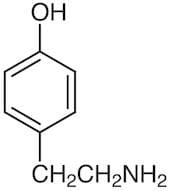
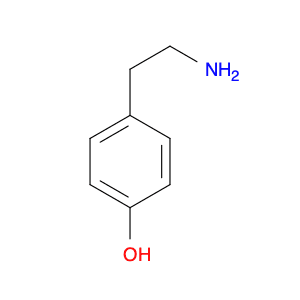
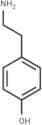
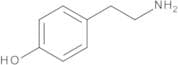
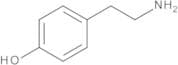
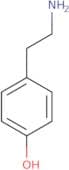
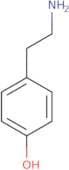
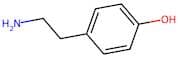
Tyramine is a naturally occurring monoamine compound derived from the amino acid tyrosine. It is classified as a biogenic amine and is primarily found in various foods, particularly aged or fermented products such as cheese, cured meats, and certain alcoholic beverages. Tyramine is known for its role in the body as a neurotransmitter and is involved in the regulation of blood pressure and mood. Chemically, it is characterized by its phenolic structure, featuring a hydroxyl group attached to a benzene ring, along with an ethylamine side chain. Tyramine can act as a vasoconstrictor and may influence the release of norepinephrine, which can lead to increased blood pressure. Due to its potential to interact with monoamine oxidase inhibitors (MAOIs), individuals taking these medications must monitor their tyramine intake to avoid hypertensive crises. In terms of safety, while tyramine is generally recognized as safe in dietary amounts, excessive consumption can lead to adverse effects, particularly in sensitive individuals or those on specific medications.
Formula:C8H11NO
InChI:InChI=1/C8H11NO/c9-6-5-7-1-3-8(10)4-2-7/h1-4,10H,5-6,9H2/p+1
InChI key:InChIKey=DZGWFCGJZKJUFP-UHFFFAOYSA-N
SMILES:C(CN)C1=CC=C(O)C=C1
Synonyms:- 2-(4'-Hydroxyphenyl)ethylamine
- 2-(4-Hydroxyphenyl)ethanamine
- 2-(p-Hydroxyphenyl)ethylamine
- 4-(2-Aminoethyl)phenol
- 4-(2-Aminoetil)Fenol
- 4-Hydroxy-β-phenylethylamine
- 4-Hydroxyphenethylamine
- 4-Hydroxyphenylethylamine
- Benzeneethanamine, 4-hydroxy-
- Nsc 249188
- Phenol, p-(2-aminoethyl)-
- Systogene
- Tocosine
- Tyramin
- Tyramine
- Tyrosamine
- Uteramine
- p-(2-Aminoethyl)phenol
- p-Hydroxy-β-phenylethylamine
- p-Hydroxyphenethylamine
- p-Hydroxyphenylethylamine
- p-Tyramine
- p-β-Aminoethylphenol
- α-(4-Hydroxyphenyl)-β-aminoethane
- β-(4-Hydroxyphenyl)ethylamine
- 2-(p-Hydroxyphenyl)ethylamin
- Tyramine Base
- Phenol, 4-(2-aminoethyl)-
- Tyramine (Free Base)
- beta-Hydroxyphenylethylamine
- 2-(4-hydroxyphenyl)ethanaminium
- 4-Hydroxy-phenethylamine
- 4-hydroxy phenylethylamine
- 4-(ethylamino)phenol
- beta-(4-Hydroxyphenyl)ethylamine
- 4-hydroxy-benzeneethanamin
- L-Tyramine
- alpha-(4-Hydroxyphenyl)-beta-aminoethane
- 4-Hydroxy-beta-phenylethylamine
- 4-(2-Aminoethyl)-phenol (thyramin)
- 4-(2-aminoethyl)-pheno
- RARECHEM AL BW 0088
- AKOS NCG-0021
- See more synonyms
Sort by
Purity (%)
0
100
|
0
|
50
|
90
|
95
|
100
Found 14 products.
Tyramine
CAS:Formula:C8H11NOPurity:>98.0%(GC)(T)Color and Shape:White to Brown powder to crystalMolecular weight:137.18Tyramine, 98+%
CAS:Reagent for fluorescence enzyme immunoassayFormula:C8H11NOPurity:98+%Molecular weight:137.18Tyramine
CAS:Tyramine analytical standardFormula:C8H11NOPurity:(HPLC) ≥95%Color and Shape:PowderMolecular weight:137.19Ref: IN-DA003EWJ
1gTo inquire5g21.00€10g25.00€25g29.00€50g31.00€5kgTo inquire100g49.00€10kgTo inquire250g69.00€25kgTo inquire500g129.00€Tyramine
CAS:Tyramine, a natural compound in cheese, indirectly stimulates the sympathetic system and may prolong adrenergic effects.Formula:C8H11NOPurity:99.04% - 99.92%Color and Shape:Crystals From Benzene Or Alcohol SolidMolecular weight:137.18Ritodrine Impurity 2 (Tyramine)
CAS:Formula:C8H11NOColor and Shape:Pale Brown SolidMolecular weight:137.18Tyramine
CAS:Formula:C8H11NOPurity:≥ 98%Color and Shape:White to off-white powderMolecular weight:137.18p-Tyramine
CAS:Applications Adrenergic.
References Brandacher, G., et al.: Curr. Drug Metab., 8, 289 (2007), Oresic, M., et al.: J. Exp. Med., 205, 2975 (2008),Formula:C8H11NOColor and Shape:NeatMolecular weight:137.18Tyramine
CAS:Tyramine targets peroxidase to form a brown colorFormula:C8H11NOColor and Shape:Off-White Slightly Brown PowderMolecular weight:137.18 g/molTyramine, free base
CAS:Substrate for dopamine β-hydroxylase (DBH) enzymatic activity assay. The artificial DBH substrate tyramine is converted by DBH to octopamine, which is then oxidized to parahydroxybenzaldehyde by sodium periodate. The oxidation is stopped by sodium metabisulfite. Parahydroxybenzaldehyde is then quantified by its absorbance at 330 nm in the UV. This assay is sensitive enough to detect DBH enzymatic activity in human serum or plasma. Suitable fluorogenic substrate for the determination of peroxide activity in the fluorescence enzyme immunoassay for insulin.
Formula:C8H11NOMolecular weight:137.18 g/molRef: 3D-T-8910
1kgTo inquire5kgTo inquire10kgTo inquire25kgTo inquire2500gTo inquire-Unit-kgkgTo inquire