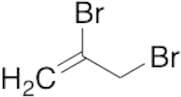
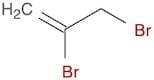
CAS 513-31-5
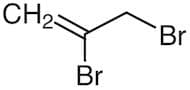
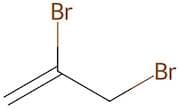
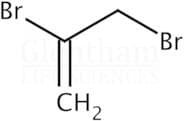
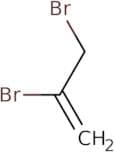
:2,3-Dibromopropene
Description:
2,3-Dibromopropene is an organic compound characterized by the presence of two bromine atoms attached to a three-carbon propene backbone. Its molecular formula is C3H4Br2, indicating that it contains three carbon atoms, four hydrogen atoms, and two bromine atoms. This compound exists as a colorless to pale yellow liquid with a distinctive odor. It is classified as a halogenated alkene due to the presence of a double bond between the first and second carbon atoms. 2,3-Dibromopropene is known for its reactivity, particularly in electrophilic addition reactions, which can lead to the formation of various derivatives. It is also used in organic synthesis and as an intermediate in the production of other chemical compounds. The compound is soluble in organic solvents but has limited solubility in water. Safety precautions should be taken when handling 2,3-dibromopropene, as it can be harmful if inhaled or absorbed through the skin, and it may pose environmental hazards.
Formula:C3H4Br2
InChI:InChI=1S/C3H4Br2/c1-3(5)2-4/h1-2H2
InChI key:InChIKey=YMFWYDYJHRGGPF-UHFFFAOYSA-N
SMILES:C(CBr)(Br)=C
Synonyms:- (2-Bromo-2-propenyl) bromide
- 1,2-Dibromo-2-propene
- 1-Propene, 2,3-dibromo-
- 2,3-Dibromo-1-propene
- 2,3-Dibromoprop-1-Ene
- 2,3-Dibromopropylene
- 2-Bromoallyl bromide
- NSC 6200
- Propene, 2,3-dibromo-
- α-Epidibromohydrin
- 2,3-Dibromopropene
Sort by
Purity (%)
0
100
|
0
|
50
|
90
|
95
|
100
Found 7 products.
2,3-Dibromopropene
CAS:Formula:C3H4Br2Purity:>90.0%(GC)Color and Shape:Colorless to Light orange to Yellow clear liquidMolecular weight:199.872,3-Dibromopropene
CAS:Formula:C3H4Br2Purity:(GC) ≥ 90.0%Color and Shape:Clear, colourless to light yellow liquidMolecular weight:199.882,3-Dibromopropene - stabilized with copper chip
CAS:2,3-Dibromopropene - stabilized with copper chip (2,3-DBPC) is a novel bromination reagent that can be used for the synthesis of polypeptides. This compound has been shown to react with acyl halides in an asymmetric synthesis. The reaction mechanism is thought to be via the addition of 2,3-DBPC to the carbonyl group of an acyl halide and subsequent elimination of bromoethane. 2,3-DBPC also reacts with ethanolamine in the presence of carbon disulphide and x-ray diffraction data have shown that this reaction proceeds through a 1,4 addition mechanism.Formula:C3H4Br2Purity:Min. 90 Area-%Color and Shape:Brown Colorless Yellow Clear LiquidMolecular weight:199.87 g/mol2,3-Dibromopropene
CAS:Controlled ProductApplications 2,3-Dibromopropene is used in preparation of Quaternary Ammonium Salt derivatives for use as Trimethylamine production inhibitors.Also, used in preparation of Boron containing compounds as Phosphodiesterase PDE4 inhibitors.
References Nudel, K., et al.:PCT Int. Appl., (2020); Strohbach, Joseph W., et al.: PCT Int. Appl., (2020);Formula:C3H4Br2Color and Shape:NeatMolecular weight:199.872,3-Dibromopropene, tech grade
CAS:Formula:C3H4Br2Purity:90%Color and Shape:LiquidMolecular weight:199.8719Ref: IN-DA0032XJ
Discontinued product