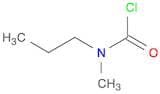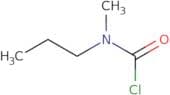
CAS 51493-02-8
:Carbamic chloride, methylpropyl-
Description:
Carbamic chloride, methylpropyl- is an organic compound characterized by the presence of a carbamate functional group, which is derived from carbamic acid. It typically features a methylpropyl group attached to the nitrogen atom of the carbamate, influencing its chemical behavior and reactivity. This compound is likely to be a colorless to pale yellow liquid with a distinctive odor, typical of many carbamates. It may exhibit moderate volatility and can be soluble in organic solvents. As a chemical substance, it may be used in various applications, including as an intermediate in organic synthesis or in the production of agrochemicals. Safety considerations are important, as carbamic chlorides can be reactive and potentially hazardous, necessitating proper handling and storage protocols. Additionally, it may undergo hydrolysis in the presence of water, leading to the formation of corresponding carbamic acids and other byproducts. Always refer to specific safety data sheets and regulatory guidelines for detailed information on handling and potential hazards associated with this compound.
Formula:C5H10ClNO
Sort by
Purity (%)
0
100
|
0
|
50
|
90
|
95
|
100
Found 3 products.
Methyl(propyl)carbamic chloride
CAS:Methyl(propyl)carbamic chloridePurity:97%Molecular weight:135.59g/molN-Methyl-N-propylcarbamoyl Chloride
CAS:N-Methyl-N-propylcarbamoyl Chloride is an anti-HIV drug that is a carbamate. It has potent anti-HIV activity and is reinvestigated for the treatment of HIV infection. N-Methyl-N-propylcarbamoyl Chloride inhibits reverse transcriptase, which is an enzyme necessary for the synthesis of viral RNA from the DNA template in the host cell. This drug blocks the polymerization of nucleotides, thereby preventing DNA synthesis. The chemical structure of this compound was found to be similar to that of furoxan, a natural substance that has been shown to have anti-HIV activity in vitro and in vivo.Formula:C5H10ClNOPurity:Min. 95%Molecular weight:135.59 g/mol