CAS 5152-84-1
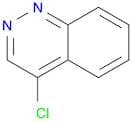
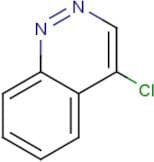
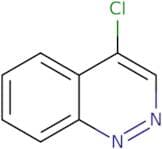
:4-Chlorocinnoline
Description:
4-Chlorocinnoline is an organic compound characterized by its bicyclic structure, which consists of a fused benzene and pyridine ring. It features a chlorine substituent at the 4-position of the cinnoline ring system. This compound is typically a pale yellow to brown solid and is known for its aromatic properties, which contribute to its stability and reactivity. 4-Chlorocinnoline is soluble in organic solvents such as ethanol and dichloromethane but has limited solubility in water. It is of interest in various fields, including medicinal chemistry, due to its potential biological activities, including antimicrobial and anticancer properties. The presence of the chlorine atom can influence its reactivity and interaction with biological targets. As with many aromatic compounds, it may undergo electrophilic substitution reactions, making it a versatile intermediate in organic synthesis. Safety precautions should be taken when handling this compound, as it may pose health risks if inhaled or ingested.
Formula:C8H5ClN2
InChI:InChI=1S/C8H5ClN2/c9-7-5-10-11-8-4-2-1-3-6(7)8/h1-5H
InChI key:InChIKey=IJSFFUOWXQRDMS-UHFFFAOYSA-N
SMILES:ClC=1C2=C(N=NC1)C=CC=C2
Synonyms:- 4-Chloro-cinnoline
- Cinnoline, 4-Chloro-
- 4-Chlorocinnoline
Sort by
Purity (%)
0
100
|
0
|
50
|
90
|
95
|
100
Found 4 products.
4-Chlorocinnoline
CAS:4-Chlorocinnoline is a precursor in the synthesis of papaverine. It is an amide that undergoes a reaction with Grignard reagents to form amines. 4-Chlorocinnoline also reacts with sulfoxides to produce chlorine and can be decarboxylated to produce cinnolines. The optical properties of this chemical are unusual, as it has both a yellow color and a blue color in solution. 4-Chlorocinnoline has been used in the synthesis of multinuclear complexes with chlorine atoms.Formula:C8H5ClN2Purity:Min. 95%Molecular weight:164.59 g/mol