CAS 51953-13-0
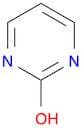
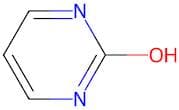
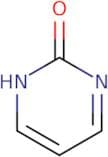
:2-Pyrimidinol
- 2-Pyrimidinol (7CI,9CI)
2-Hydroxypyrimidine
CAS:2-HydroxypyrimidineFormula:C4H4N2OPurity:97%Color and Shape: light yellow crystalline solidMolecular weight:96.09g/mol2-Pyrimidinol
CAS:2-Pyrimidinol is a sodium salt that is used as an antimicrobial agent. It has significant cytotoxicity against skin cancer cells and is also used to treat HIV infection. 2-Pyrimidinol inhibits the activity of inhibitor molecules, which are small molecules that inhibit the activity of important enzymes in cells. This inhibition results in increased production of ATP, which leads to cell death. 2-Pyrimidinol also binds to dna duplexes and prevents them from being opened by helicase, thus inhibiting cellular replication. The molecular structure of 2-pyrimidinol was determined using X-ray crystallography and molecular docking analysis. This compound has been shown to have a potential use in treating metabolic disorders due to its ability to inhibit glycolysis, or the breakdown of glucose, through competitive inhibition with phosphofructokinase (PFK).
Formula:C4H4N2OPurity:(%) Min. 98%Color and Shape:PowderMolecular weight:96.09 g/mol