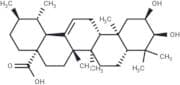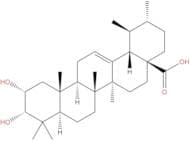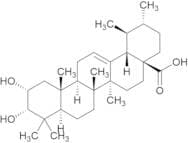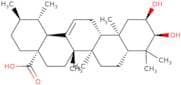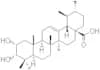
CAS 52213-27-1
:Pygenic acid A
Description:
Pygenic acid A, with the CAS number 52213-27-1, is a chemical compound that belongs to the class of organic acids. It is characterized by its unique molecular structure, which typically includes functional groups that contribute to its acidic properties. Pygenic acid A is known for its potential applications in various fields, including pharmaceuticals and agrochemicals, due to its biological activity. The compound may exhibit properties such as antimicrobial or antifungal activity, making it of interest for research in medicinal chemistry. Additionally, its solubility and stability in different solvents can influence its reactivity and usability in chemical reactions. As with many organic acids, Pygenic acid A may participate in acid-base reactions and can serve as a precursor for the synthesis of more complex molecules. Safety data and handling precautions are essential when working with this compound, as it may pose health risks if not managed properly. Overall, Pygenic acid A represents a significant area of study within organic chemistry and its applications.
Formula:C30H48O4
Synonyms:- (2alpha,3alpha)-2,3-Dihydroxy-urs-12-en-28-oic acid
- Pygenic acid A
- 2α,3α-Dihydroxy-19β-methyl-30-noroleana-12-ene-28-oic acid
- PUNICALAGINS A&B(P)
- 2,3-Dihydroxy-12-ursen-28-oic acid
- 3-Epicorosolic acid
Sort by
Purity (%)
0
100
|
0
|
50
|
90
|
95
|
100
Found 5 products.
Pygenic acid A
CAS:3-Epicorosolic acid inhibits EBV-EA, has anti-inflammatory and chemopreventive properties, and blocks α-glucosidase/PTP1B (IC50: 30.18/4.08 μg/ml).Formula:C30H48O4Purity:98%Color and Shape:SolidMolecular weight:472.73-Epicorosolic acid
CAS:Controlled Product3-Epicorosolic acid is a triterpenoid compound, which is derived from botanical sources, particularly from the leaves of certain plants like Eriobotrya japonica. It operates through the modulation of metabolic pathways, specifically impacting glucose and lipid metabolism. By influencing these pathways, 3-Epicorosolic acid helps to regulate blood sugar levels and lipid profiles, offering potential therapeutic applications in metabolic disorders.Formula:C30H48O4Purity:Min. 95%Molecular weight:472.7 g/mol