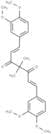
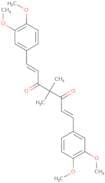
CAS 52328-97-9
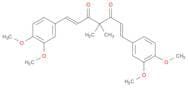
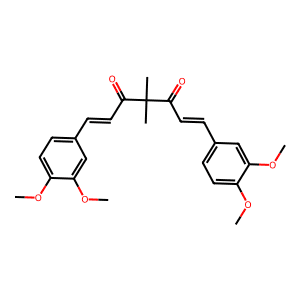
:FLLL31
Description:
FLLL31, with the CAS number 52328-97-9, is a chemical compound that has garnered interest in the field of medicinal chemistry, particularly for its role as a selective inhibitor of certain protein kinases. This compound is characterized by its ability to modulate cellular signaling pathways, which can have implications in cancer research and treatment. FLLL31 is known to exhibit a specific affinity for its target kinases, potentially leading to reduced cell proliferation and increased apoptosis in cancer cells. Its molecular structure typically includes functional groups that enhance its binding properties and bioavailability. Additionally, FLLL31 has been studied for its pharmacokinetic properties, which are crucial for determining its efficacy and safety profile in therapeutic applications. As with many compounds in this category, ongoing research aims to elucidate its full mechanism of action, optimize its pharmacological properties, and assess its potential side effects in clinical settings.
Sort by
Purity (%)
0
100
|
0
|
50
|
90
|
95
|
100
Found 6 products.
Tetramethylcurcumin
CAS:Tetramethylcurcumin is a novel curcumin analog, is an effective inhibitors of STAT3 phosphorylation, DNA binding activity, and transactivation in vitro.it alsoFormula:C25H28O6Purity:97.69% - 99.94%Color and Shape:SolidMolecular weight:424.49FLLL31
CAS:FLLL31 is a growth factor that regulates the proliferation of cells. It is a molecule that has been shown to have chemotherapeutic properties. FLLL31 binds to the surface of cells, where it activates polymerase chain reactions and induces cell death by signaling apoptosis. This molecule has been demonstrated to be involved in chemotherapeutic treatment for autoimmune diseases and inflammatory conditions. FLLL31 can also inhibit the growth of viruses, such as HIV and Epstein-Barr virus, and tumor cells in humans. The mechanism for these activities is not well understood, but may involve its ability to bind IL-17a, a cytokine involved in the immune system's response to infection or injury. FLLL31 has also been shown to induce cell death in leukemia inhibitory factor (LIF) and epidermal growth factor receptor (EGFR) cancer cell lines with no significant toxicity on normal cell lines.Formula:C25H28O6Purity:Min. 95%Molecular weight:424.49 g/mol