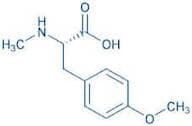
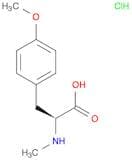
CAS 52939-33-0
:N-Me-Tyr(Me)-OH
Description:
N-Me-Tyr(Me)-OH, also known as N-methyltyrosine, is an amino acid derivative characterized by the presence of a methyl group attached to the nitrogen of the amino group and a hydroxyl group on the aromatic ring. This compound is a non-proteinogenic amino acid, meaning it is not incorporated into proteins during translation but can play significant roles in various biochemical processes. It is often studied for its potential applications in research, particularly in the fields of neurochemistry and pharmacology, due to its structural similarity to the natural amino acid tyrosine, which is a precursor for neurotransmitters such as dopamine and norepinephrine. N-methyltyrosine can influence metabolic pathways and has been investigated for its effects on neurotransmitter synthesis and function. Additionally, its unique structure may impart specific interactions with biological receptors or enzymes, making it a subject of interest in drug development and therapeutic research. As with many chemical substances, safety and handling precautions should be observed when working with N-Me-Tyr(Me)-OH in laboratory settings.
Formula:C11H15NO3
Synonyms:- N-Me-4-Methoxy-Phe-Oh
Sort by
Purity (%)
0
100
|
0
|
50
|
90
|
95
|
100
Found 2 products.
N-Me-Tyr(Me)-OH
CAS:Bachem ID: 4008161.
Formula:C11H15NO3Purity:> 99%Color and Shape:White PowderMolecular weight:209.25