CAS 5332-96-7
:4-Nitrophenylacetone
Description:
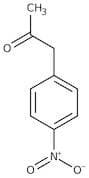
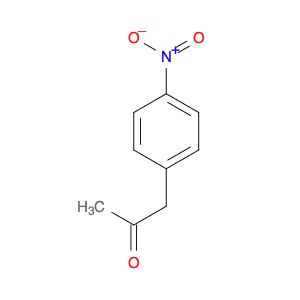
4-Nitrophenylacetone, with the CAS number 5332-96-7, is an organic compound characterized by its structure, which includes a phenyl ring substituted with a nitro group and an acetone moiety. It typically appears as a yellow crystalline solid and is known for its aromatic properties due to the presence of the nitrophenyl group. This compound is often utilized in organic synthesis, particularly in the preparation of various pharmaceuticals and agrochemicals. It exhibits moderate solubility in organic solvents such as ethanol and acetone, while being less soluble in water. The nitro group contributes to its reactivity, making it a useful intermediate in chemical reactions, including nucleophilic substitutions and reductions. Additionally, 4-Nitrophenylacetone can undergo various transformations, which are valuable in synthetic organic chemistry. Safety precautions should be observed when handling this compound, as nitro compounds can be hazardous and may pose environmental risks.
Formula:C9H9NO3
InChI:InChI=1/C9H9NO3/c1-7(11)6-8-2-4-9(5-3-8)10(12)13/h2-5H,6H2,1H3
SMILES:CC(=O)Cc1ccc(cc1)N(=O)=O
Synonyms:- 1-(4-Nitrophenyl)-2-propanone
- 1-(4-Nitrophenyl)Propan-2-One
Sort by
Purity (%)
0
100
|
0
|
50
|
90
|
95
|
100
Found 5 products.
4-Nitrophenylacetone, 98%
CAS:It is applied as an intermediate in organic synthesis. This Thermo Scientific Chemicals brand product was originally part of the Alfa Aesar product portfolio. Some documentation and label information may refer to the legacy brand. The original Alfa Aesar product / item code or SKU reference has notFormula:C9H9NO3Purity:98%Color and Shape:Yellow to orange, Crystals or powder or crystalline powderMolecular weight:179.181-(4-nitrophenyl)propan-2-one
CAS:Formula:C9H9NO3Purity:97%Color and Shape:SolidMolecular weight:179.1727(4-Nitrophenyl)acetone
CAS:4-Nitrophenylacetone is a hypoglycemic agent that is used for the treatment of diabetes mellitus. It has been shown to be effective in vivo and in vitro studies at low concentrations. The mechanism of action is not well understood, but it may have effects on insulin sensitivity and the release of insulin from pancreatic beta cells, as well as an effect on the liver. 4-Nitrophenylacetone has been shown to have organocatalytic properties that allow it to catalyze acylation reactions with acetanilides or amides. This reaction produces iminium ion intermediates that can be hydrolyzed by water to form a variety of products, including carboxylic acids, amides, and nitriles.
Formula:C9H9NO3Purity:Min. 95%Color and Shape:PowderMolecular weight:179.17 g/mol