CAS 536-69-6
:Fusaric acid
Description:
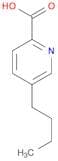
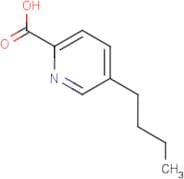
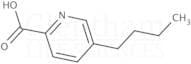
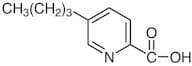
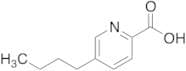
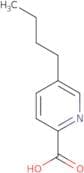
Fusaric acid, with the CAS number 536-69-6, is a naturally occurring organic compound classified as a carboxylic acid. It is primarily produced by certain species of fungi, particularly those in the Fusarium genus. The chemical structure of fusaric acid features a pyridine ring, which contributes to its unique properties. This compound is known for its potential biological activities, including antifungal and antibacterial properties, making it of interest in agricultural and pharmaceutical research. Fusaric acid has been studied for its role in plant pathology, as it can influence plant growth and development, often acting as a phytotoxin. Additionally, it has been investigated for its potential therapeutic applications, particularly in the treatment of neurological disorders, due to its ability to modulate neurotransmitter systems. In terms of physical properties, fusaric acid is typically a solid at room temperature and is soluble in polar solvents. Its safety profile indicates that it should be handled with care, as with many organic acids, due to potential irritant effects.
Formula:C10H13NO2
InChI:InChI=1S/C10H13NO2/c1-2-3-4-8-5-6-9(10(12)13)11-7-8/h5-7H,2-4H2,1H3,(H,12,13)
InChI key:InChIKey=DGMPVYSXXIOGJY-UHFFFAOYSA-N
SMILES:C(O)(=O)C1=CC=C(CCCC)C=N1
Synonyms:- 2-Pyridinecarboxylic acid, 5-butyl-
- 5-Butyl-2-picolinic acid
- 5-Butyl-2-pyridinecarboxylic acid
- 5-Butylpicolinic acid
- 5-Butylpyridine-2-Carboxylate
- 5-Butylpyridine-2-Carboxylic Acid
- 5-n-Butylpyridine-2-carboxylic acid
- Butylpicolinic acid
- Fusaric Acid From Gibberella Fujikuroi
- NSC 135043
- NSC 19870
- Picolinic acid, 5-butyl-
- See more synonyms
Sort by
Purity (%)
0
100
|
0
|
50
|
90
|
95
|
100
Found 7 products.
5-Butylpyridine-2-carboxylic Acid
CAS:Formula:C10H13NO2Purity:>98.0%(GC)Color and Shape:White to Light yellow powder to crystalMolecular weight:179.22Fusaric Acid
CAS:Controlled ProductApplications Fusaric Acid is a picolinic acid derivative isolated from the fungus Fusarium. Thought to contribute to the toxicoses developed from ingesting mold-infested feeds.
References Rofiat, A. et al.: Food Addit. Cont. Part A. Chem. Anal. Contr. Exp. Risk Asses., 32, 950 (2015); Crutcher, F. et al.: Microbiol., 161, 875 (2015);Formula:C10H13NO2Color and Shape:NeatMolecular weight:179.22Fusaric acid
CAS:Fusaric acid is a metabolite of the natural product fusarin. It is formed by the enzymatic hydroxylation of dopamine and has been shown to inhibit the production of picolinic acid, which is involved in the synthesis of NAD. Fusaric acid also inhibits tetracycline resistance in colorectal adenocarcinoma cells, leading to cell death. Fusaric acid has also been found to be effective against squamous carcinoma cells and thermal expansion in titration calorimetry experiments. The structural analysis of this compound showed that it has a planar geometry with a number of hydrogen bonding interactions. FUSARIC ACID: Fusaric acid is an inhibitor of dopamine β-hydroxylase (DBH) that was first isolated from fusarin, a natural product produced by some fungi species. It binds reversibly to DBH and blocks its activity, preventing the conversion ofFormula:C10H13NO2Color and Shape:Off-White PowderMolecular weight:179.22 g/mol