CAS 53832-94-3
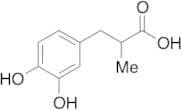
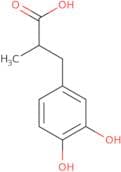
:α-Methyl-3,4-dihydroxyphenylpropionic Acid
Description:
α-Methyl-3,4-dihydroxyphenylpropionic acid, also known as MDPA, is an organic compound characterized by its phenolic structure and the presence of two hydroxyl groups on the aromatic ring. This compound features a propionic acid moiety, which contributes to its acidic properties. MDPA is typically a white to off-white solid and is soluble in polar solvents due to its hydroxyl groups, which can engage in hydrogen bonding. The presence of the methyl group at the alpha position relative to the carboxylic acid enhances its lipophilicity compared to other similar compounds. MDPA is of interest in biochemical research, particularly in studies related to neurotransmitter systems, as it may influence dopamine metabolism. Its structural features suggest potential antioxidant properties, making it a subject of investigation in various fields, including pharmacology and nutrition. As with many organic compounds, safety data should be consulted for handling and usage, as the biological effects and toxicity profiles can vary.
Formula:C10H12O4
Synonyms:- 3,4-Dihydroxy-methylbenzenepropanoic A
- Benzenepropanoic acid, 3,4-dihydroxy-α-methyl-
- Carbidopa Impurity 1
- α-Methyl-3,4-dihydroxyphenylpropionic Acid
- Carbidopa Impurity 13
- Carbidopa Impurity 19
Sort by
Purity (%)
0
100
|
0
|
50
|
90
|
95
|
100
Found 5 products.
3-(3,4-Dihydroxyphenyl)-2-methylpropanoic acid
CAS:3-(3,4-Dihydroxyphenyl)-2-methylpropanoic acid
Purity:98%Des-hydrazino Carbidopa
CAS:Applications A metabolite of Carbidopa (C175915).
References Vickers, S., et al.: Drug Metab. Dispos., 2, 6 (1974), Vickers, S., et al.: J. Med. Chem., 18, 134 (1975),Formula:C10H12O4Color and Shape:NeatMolecular weight:196.22-Methyl-3-(3,4-dihydroxyphenyl)propanoic acid
CAS:2-Methyl-3-(3,4-dihydroxyphenyl)propanoic acid (DOPA) is a prodrug that is converted to the active form 2-methyl-5,6-dihydroxyindole-3,4-dione (DIDO) by hydrazine. DIDO inhibits melanoma cells by binding to tyrosinase and inhibiting its activity. DOPA also has cytotoxic properties, which may be due to the production of oxidative metabolites such as hydrogen peroxide and free radicals. DIDO can also be metabolized into catechol and cyclized into quinone methides. DOPA can inhibit oxidation reactions in the cell line CCRF-CEM by preventing the oxidation of NADH to NAD+.Formula:C10H12O4Purity:Min. 95%Color and Shape:PowderMolecular weight:196.2 g/mol