CAS 53851-13-1
:Caboxine A
Caboxine A
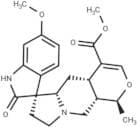
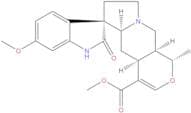
CAS:Caboxine A is a natural product of Catharanthus, Apocynaceae.Formula:C22H26N2O5Purity:98%Color and Shape:SolidMolecular weight:398.45Caboxine A
CAS:Caboxine A is a synthetic compound designed to exhibit bioactive properties, which is derived from a series of organic synthesis pathways. Its mode of action involves the modulation of specific cellular signaling pathways, targeting both agonistic and antagonistic receptors, thereby altering gene expression profiles crucial to cellular function and homeostasis. Caboxine A’s applications extend across various fields, including medical and pharmaceutical research, where it is being investigated for its potential therapeutic effects. It is particularly noted for its role in experimental models of disease, as it appears to modulate inflammation and cellular proliferation. Current studies focus on its ability to inhibit pathological cellular activities while promoting regenerative processes. Caboxine A is also being explored as a molecular probe to delineate pathways involved in complex biochemical networks, providing insights that could lead to the development of novel therapeutic strategies.
Formula:C22H26N2O5Purity:Min. 95%Molecular weight:398.5 g/molRef: 3D-DCA85113
Discontinued product