CAS 542-58-5
:2-Chloroethyl acetate
Description:
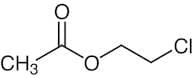
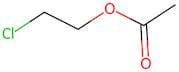
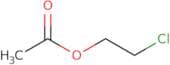
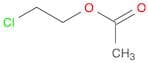
2-Chloroethyl acetate is an organic compound characterized by its molecular formula C4H7ClO2. It is a colorless to pale yellow liquid with a sweet, fruity odor, commonly used as an intermediate in organic synthesis and as a solvent in various applications. The compound features a chloroethyl group, which contributes to its reactivity, particularly in nucleophilic substitution reactions. It is moderately soluble in water and more soluble in organic solvents, making it versatile for different chemical processes. 2-Chloroethyl acetate is known to be a potential irritant to the skin, eyes, and respiratory system, necessitating appropriate safety precautions during handling. Its chemical structure allows it to participate in reactions such as esterification and hydrolysis, making it valuable in the production of pharmaceuticals, agrochemicals, and other chemical products. As with many chlorinated compounds, it is important to consider its environmental impact and potential regulations regarding its use and disposal.
Formula:C4H7ClO2
InChI:InChI=1S/C4H7ClO2/c1-4(6)7-3-2-5/h2-3H2,1H3
InChI key:InChIKey=VIRWKAJWTKAIMA-UHFFFAOYSA-N
SMILES:O(C(C)=O)CCCl
Synonyms:- 1-Acetoxy-2-chloroethane
- 2-Acetoxy-1-chloroethane
- 2-Acetoxyethyl chloride
- 2-Chlorethylacetat
- 2-Chloro-1-Ethanol Acetate
- 2-Chloro-Ethanoacetate
- 2-Chloroethanol acetate
- 2-Chloroethyl Acetate
- Acetic Acid 2-Chloroethyl Ester
- Ethanol, 2-chloro-, 1-acetate
- Ethanol, 2-chloro-, acetate
- NSC 77374
- See more synonyms
Sort by
Purity (%)
0
100
|
0
|
50
|
90
|
95
|
100
Found 4 products.
2-Chloroethyl Acetate
CAS:Formula:C4H7ClO2Purity:>99.0%(GC)Color and Shape:Colorless to Light yellow clear liquidMolecular weight:122.552-Chloroethyl Acetate
CAS:2-Chloroethyl acetate (CEA) is a bifunctional chemical that can be used as a pharmaceutical agent and an industrial solvent. It is used in the treatment of multidrug-resistant bacteria, including MRSA. CEA acts by inhibiting the efflux pump, which pumps toxins out of bacterial cells. The chlorine in CEA reacts with chloride ions to form hypochlorous acid, which kills bacteria by oxidizing their DNA. CEA also has a redox potential that is similar to that of glutathione, which makes it resistant to degradation by glutathione reductase.Formula:C4H7ClO2Purity:Min. 95%Molecular weight:122.55 g/mol