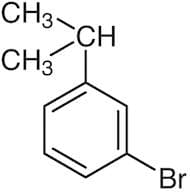
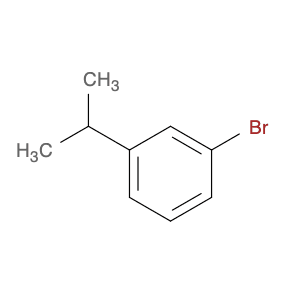
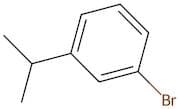
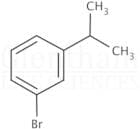
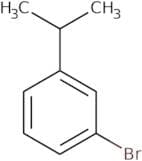
CAS 5433-01-2
:1-Bromo-3-isopropylbenzene
- 1-bromo-3-(propan-2-yl)benzene
- 3-Isopropylbromobenzene
- 3-Bromocumene
3-Bromocumene
CAS:Formula:C9H11BrPurity:>98.0%(GC)Color and Shape:Colorless to Light orange to Yellow clear liquidMolecular weight:199.091-Bromo-3-isopropylbenzene
CAS:1-Bromo-3-isopropylbenzene is a reactive chemical that is used to produce diazotization, which is the addition of nitrite ion or its salts to an amine. This reaction produces an unstable intermediate product called diazoaminobenzene, which reacts with water and forms nitrous acid. The production of 1-bromo-3-isopropylbenzene involves the use of a deuterium isotope, which has been shown to have different effects on the reactivity of the molecule. Deuterium substitution can lead to a termination reaction rather than the desired aromatisation, as well as other reactions that are not observed when using regular hydrogen. The presence of nitrite ions in the environment can lead to deaminate reactions in 1-bromo-3-isopropylbenzene, which leads to degradation by hydrolysis and biodegradation.
Formula:C9H11BrPurity:Min. 95%Color and Shape:Clear LiquidMolecular weight:199.09 g/mol1-Bromo-3-isopropylbenzene
CAS:Formula:C9H11BrPurity:95%Color and Shape:LiquidMolecular weight:199.091