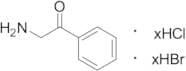
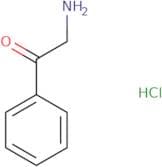
CAS 5468-37-1
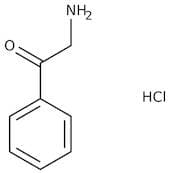
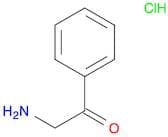
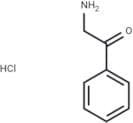
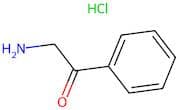
:2-Aminoacetophenone hydrochloride
- 2-Amino-1-phenyl-1-ethanone hydrochloride
- 2-Amino-1-phenylethanone hydrochloride
- 2-Aminoacetophenone HCl
- Acetophenone, 2-amino-, hydrochloride
- Ethanone, 2-amino-1-phenyl-, hydrochloride
- Ethanone, 2-amino-1-phenyl-, hydrochloride (1:1)
- Phenacylamine hydrochloride
- Α-Amino Acetophenone Hydrochloride
- α-Aminoacetophenone hydrochloride
2-Aminoacetophenone hydrochloride, 97%
CAS:This Thermo Scientific Chemicals brand product was originally part of the Alfa Aesar product portfolio. Some documentation and label information may refer to the legacy brand. The original Alfa Aesar product / item code or SKU reference has not changed as a part of the brand transition to Thermo SciFormula:C8H9NO•HClPurity:97%Color and Shape:Crystals or powder or crystalline powder, White or pale yellow to brownMolecular weight:171.632-Aminoacetophenone, HCl
CAS:Formula:C8H10ClNOPurity:98%Color and Shape:SolidMolecular weight:171.62412-Amino-1-phenylethanone hydrochloride
CAS:2-Amino-1-phenylethanone hydrochloride is a useful organic compound for research related to life sciences. The CAS number is 2051-07-2.Formula:C8H10ClNOColor and Shape:SolidMolecular weight:171.62Phenacylamine hydrochloride
CAS:Phenacylamine hydrochlorideFormula:C8H9NO·ClHPurity:≥95%Color and Shape: off-white to faint beige crystalline solidMolecular weight:171.62g/mol2-Aminoacetophenone hydrochloride
CAS:Formula:C8H10ClNOPurity:98.0%Color and Shape:Crystalline PowderMolecular weight:171.62α-Aminoacetophenone (Mixed Salt, >85%)
CAS:Controlled ProductApplications Hydrohchloride Salt of α-Aminoacetophenone, used in the preparation og pseudopeptidic inhibitors of human sirtuins1-3. This action effectually displays antiproliferative protperties in cancer cells. Also used in the preparation of dual δ/μopiod receptor agonists in th
References Mellini, P. et al.: J. Med. Chem., 56, 6681 (2013); Breslin, H. et al.: Bioorg. Med. Chem. Lett., 22, 4869 (2013);Formula:C8H9NO·xHCl·xHBrPurity:>85%Color and Shape:NeatMolecular weight:171.622-Aminoacetophenone hydrochloride
CAS:Controlled Product2-Aminoacetophenone hydrochloride is a chemical compound that is used in analytical chemistry as a reagent for the determination of protein and amino acid concentrations. This reagent can be prepared in various forms, depending on the type of analysis being performed. 2-Aminoacetophenone hydrochloride is used to determine the concentration of free amino acids in a sample by binding to it. It can also be used for determining the concentration of bound amino acids by reacting with them with hydrochloric acid. 2-Aminoacetophenone hydrochloride is an excellent substrate for matrix effect, which may cause errors in measurement due to interference from other substances present in the sample. The use of light exposure reduces this problem by removing interfering substances from the sample.
Formula:C8H9NO·HClPurity:Min. 95%Color and Shape:PowderMolecular weight:171.62 g/mol