CAS 553-60-6
:Isopropyl nicotinate
Description:
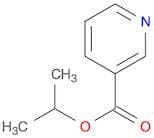
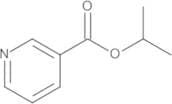
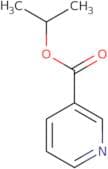
Isopropyl nicotinate, with the CAS number 553-60-6, is an ester formed from isopropyl alcohol and nicotinic acid. It is a colorless to pale yellow liquid with a characteristic odor. This compound is known for its use in topical formulations, particularly in the cosmetic and pharmaceutical industries, due to its ability to enhance skin penetration and improve the absorption of other active ingredients. Isopropyl nicotinate exhibits vasodilatory properties, which can lead to increased blood flow to the area of application, making it useful in products aimed at relieving muscle pain or improving skin conditions. It is generally considered to have low toxicity, but like many chemical substances, it should be handled with care to avoid skin irritation or allergic reactions. Additionally, it is soluble in organic solvents, which makes it versatile for various formulations. As with any chemical, proper safety measures should be observed when handling isopropyl nicotinate to ensure safe usage.
Formula:C9H11NO2
InChI:InChI=1S/C9H11NO2/c1-7(2)12-9(11)8-4-3-5-10-6-8/h3-7H,1-2H3
InChI key:InChIKey=VSRSQDMWBSKNSF-UHFFFAOYSA-N
SMILES:C(OC(C)C)(=O)C=1C=CC=NC1
Synonyms:- 3-Pyridinecarboxylic acid, 1-methylethyl ester
- Isopropyl 3-pyridinecarboxylate
- Isopropyl 3-pyridylcarboxylate
- Nicotinic acid, isopropyl ester
- Nicotinic acid, isopropyl ester (8CI)
- Nipyl
- Nsc 6860
- Propan-2-Yl Pyridine-3-Carboxylate
- iso-Propyl nicotinate
- Isopropyl nicotinate
Sort by
Purity (%)
0
100
|
0
|
50
|
90
|
95
|
100
Found 3 products.
Propan-2-yl pyridine-3-carboxylate
CAS:Propan-2-yl pyridine-3-carboxylate is a chemical compound that belongs to the class of alkanoic acid. This compound is an inhibitor of the inflammatory response, which may be due to its ability to inhibit the production of proinflammatory cytokines such as tumor necrosis factor alpha (TNFα) and interleukin 1β (IL1β). Propan-2-yl pyridine-3-carboxylate has been shown to have anti-cancer effects, as it inhibits the growth of cancer cells by suppressing DNA synthesis. Propan-2-yl pyridine-3-carboxylate also binds with receptors on immune cells. These receptors are called toll like receptor 4 (TLR4), which activate immune cells in response to bacterial infections. This activation leads to an inflammatory response that can lead to autoimmune diseases.Formula:C9H11NO2Purity:Min. 95%Molecular weight:165.19 g/mol