CAS 55314-29-9
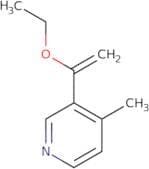
:3-(1-Ethoxyvinyl)-4-methylpyridine
Description:
3-(1-Ethoxyvinyl)-4-methylpyridine, with the CAS number 55314-29-9, is an organic compound characterized by its pyridine ring, which is a six-membered aromatic heterocycle containing one nitrogen atom. This compound features an ethoxyvinyl group at the 3-position and a methyl group at the 4-position of the pyridine ring, contributing to its unique chemical properties. It is typically a colorless to pale yellow liquid with a distinctive odor. The presence of the ethoxyvinyl group suggests that it may participate in various chemical reactions, including polymerization and electrophilic substitution, due to the reactivity of the vinyl group. Additionally, the methyl group can influence the compound's electronic properties and steric hindrance. This substance may be of interest in organic synthesis and materials science, particularly in the development of agrochemicals or pharmaceuticals. As with many organic compounds, safety precautions should be taken when handling it, as it may pose health risks or environmental hazards.
Formula:C9H11NO2
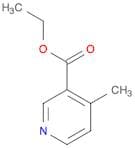
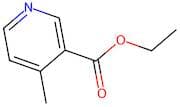
Synonyms:- Ethyl 4-methylnicotinate
- 4-Methylnicotinic acid ethyl ester
- Ethyl 4-Methylpyridine-3-Carboxylate
- 3-Pyridinecarboxylic acid, 4-methyl-, ethyl ester
Sort by
Purity (%)
0
100
|
0
|
50
|
90
|
95
|
100
Found 4 products.
Ethyl 4-methylnicotinate
CAS:Formula:C9H11NO2Purity:98%Color and Shape:LiquidMolecular weight:165.18913-(1-Ethoxyvinyl)-4-methylpyridine
CAS:3-(1-Ethoxyvinyl)-4-methylpyridine is a dipolar molecule that has been synthesised. It has been shown to undergo hydrolysis and decarboxylative reactions. The systematic study of the pyridine derivatives revealed the formation of isomeric 3-ethoxycarbonyl-4-methylpyridines, which were synthesized by reacting phenylhydrazine with esters of pyridine or pyrazole. The carbon atom in the pyridine ring can be either an ester or a hydroxyl group, which gives rise to different structural isomers. These compounds have been shown to have antihistaminic effects, which may be due to their ability to inhibit histamine release from mast cells.Formula:C10H13NOPurity:Min. 95%Molecular weight:163.22 g/mol