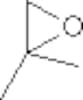
CAS 558-30-5
:Isobutylene oxide
Description:
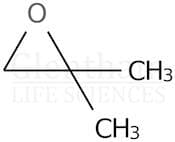
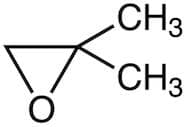
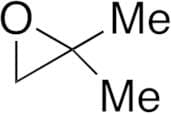
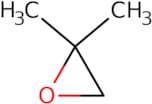
Isobutylene oxide, with the CAS number 558-30-5, is a cyclic ether and an important intermediate in organic synthesis. It is characterized by its colorless, flammable liquid form and has a distinctive sweet odor. The compound is known for its reactivity, particularly in ring-opening reactions, making it valuable in the production of various chemicals, including surfactants, antifreeze agents, and polymerization processes. Isobutylene oxide is soluble in organic solvents but has limited solubility in water. Its chemical structure features a three-membered epoxide ring, which contributes to its high reactivity. Safety considerations are crucial when handling isobutylene oxide, as it is classified as a hazardous material due to its flammability and potential health effects upon exposure. Proper storage and handling protocols are essential to mitigate risks associated with its use in industrial and laboratory settings. Overall, isobutylene oxide plays a significant role in the chemical industry, particularly in the synthesis of more complex organic compounds.
Formula:C4H8O
InChI:InChI=1S/C4H8O/c1-4(2)3-5-4/h3H2,1-2H3
InChI key:InChIKey=GELKGHVAFRCJNA-UHFFFAOYSA-N
SMILES:CC1(C)CO1
Synonyms:- 1,1-Dimethylethylene oxide
- 1,2-Epoxy-2-methylpropane
- 1,2-Epoxyisobutane
- 1,2-Isobutylene oxide
- 2,2-Dimethyloxirane
- 2-Methyl-1,2-epoxypropane
- 2-Methyl-1-propene oxide
- 2-Methyl-1-propenoxide
- 2-Methyl-2,3-epoxypropane
- 2-Methylpropylene oxide
- Ethylene oxide, α,α-dimethyl-
- Isobutene oxide
- Isobutylene epoxide
- NSC 24249
- Oxirane, 2,2-dimethyl-
- Propane, 1,2-epoxy-2-methyl-
- See more synonyms
Sort by
Purity (%)
0
100
|
0
|
50
|
90
|
95
|
100
Found 6 products.
Isobutylene Oxide
CAS:Formula:C4H8OPurity:>98.0%(GC)Color and Shape:Colorless to Light yellow clear liquidMolecular weight:72.111,1-Dimethyloxirane
CAS:Controlled ProductApplications 1,1-Dimethyloxirane is an epoxide that is used as an initiator in the synthesis of polyisobutylenes.
References Chiang, C. et al.: Polym. Prep. 53, 365 (2012);Formula:C4H8OColor and Shape:NeatMolecular weight:72.11Isobutylene oxide
CAS:Isobutylene oxide is an additive that is used as a fuel additive to reduce the formation of oxides of nitrogen (NOx) emissions. It consists of two parts, one being a glycol ether and the other being an epoxide. Isobutylene oxide reacts with isobutylene in the presence of oxygen to form an epoxide. This reaction requires activation energy, which can be provided by a catalyst such as platinum or palladium on alumina or silica gel. The hydroxyl group on the glycol ether provides nucleophilic attack on the epoxide, leading to cross-linking reactions and increased molecular weight. This reaction proceeds through three steps: hydrogen abstraction from isobutylene, proton transfer from the hydroxyl group, and deprotonation of the intermediate formed by proton transfer. In diesel engines, Isobutylene oxide reduces NOx emissions by increasing combustion efficiency and reducing diesel particulate matter emissions. Isobutylene oxideFormula:C4H8OPurity:Min. 95%Molecular weight:72.11 g/mol