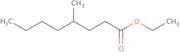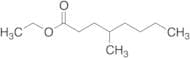
CAS 56196-53-3
:Oryctalure
Description:
Oryctalure, identified by its CAS number 56196-53-3, is a chemical compound that falls under the category of synthetic organic substances. While specific details about its physical and chemical properties may not be widely documented, compounds of this nature typically exhibit characteristics such as stability under standard conditions, solubility in organic solvents, and potential reactivity with various functional groups. Oryctalure may be utilized in various applications, including pharmaceuticals, agrochemicals, or as an intermediate in chemical synthesis. As with many synthetic compounds, safety data sheets would provide essential information regarding its handling, toxicity, and environmental impact. It is crucial to refer to specialized databases or scientific literature for comprehensive details on its molecular structure, reactivity, and specific applications. Always ensure to follow safety protocols when working with chemical substances, and consult relevant regulatory guidelines for its use.
Formula:C11H22O2
InChI:InChI=1S/C11H22O2/c1-4-6-7-10(3)8-9-11(12)13-5-2/h10H,4-9H2,1-3H3
InChI key:InChIKey=GXARNRCIGKRBAP-UHFFFAOYSA-N
SMILES:C(CCC(OCC)=O)(CCCC)C
Synonyms:- Octanoic acid, 4-methyl-, ethyl ester
- Oryctalure
- Ethyl 4-Methyloctanoate
- Ethyl 4-methyloctanoate
Sort by
Purity (%)
0
100
|
0
|
50
|
90
|
95
|
100
Found 6 products.
Ethyl 4-methyloctanoate
CAS:Formula:C11H22O2Purity:95%Color and Shape:LiquidMolecular weight:186.2912Ethyl 4-methyloctanoate
CAS:Ethyl 4-methyloctanoate is a synthetic compound that is used as a pesticide. It has been shown to be effective in controlling virus infections on crops, such as cucumber and lettuce. The compound can be detected using a variety of detection methods, including gas chromatography, high performance liquid chromatography, or thin layer chromatography. Ethyl 4-methyloctanoate has shown pesticidal activity against aphids and thrips larvae. The effective dose for control of aphids is 0.5 ppm for three days and 1 ppm for one day; the effective dose for control of thrips larvae is 2 ppm for five days. Ethyl 4-methyloctanoate inhibits protrusion from cells by binding to the amino acid histidine at the active site of the enzyme protoporphyrinogen oxidase, which prevents the formation of protoporphyrin IX in this reaction. This inhibition leads to an accumulation of protoporphyrin IX in cells and its subsequent releaseFormula:C11H22O2Purity:Min. 95%Color and Shape:Colorless Clear LiquidMolecular weight:186.29 g/molOryctalure
CAS:Controlled ProductApplications Oryctalure was used for identification of olfactory stimulants for Anopheles gambiae from human sweat samples.
References Meijerink, J., et al.: J. Chem. Ecol., 26, 1367 (2000);Formula:C11H22O2Color and Shape:ColourlessMolecular weight:186.29