CAS 5632-47-3
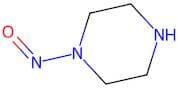
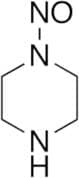
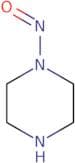
:1-nitrosopiperazine
Description:
1-Nitrosopiperazine is a chemical compound characterized by its nitroso group attached to a piperazine ring, which is a six-membered saturated heterocyclic compound containing two nitrogen atoms. This substance is typically a colorless to pale yellow liquid and is known for its potential use in various chemical syntheses and as an intermediate in organic chemistry. It has a relatively low boiling point and is soluble in organic solvents. The presence of the nitroso group imparts unique reactivity, making it a subject of interest in studies related to nitrosamines, which are known for their carcinogenic properties. Safety precautions are essential when handling 1-nitrosopiperazine due to its potential health risks, including toxicity and the formation of harmful byproducts. As with many nitroso compounds, it is important to store it in a cool, dry place away from light and reactive substances to maintain its stability and prevent decomposition.
Formula:C4H9N3O
InChI:InChI=1/C4H9N3O/c8-6-7-3-1-5-2-4-7/h5H,1-4H2
InChI key:InChIKey=CVTIZMOISGMZRJ-UHFFFAOYSA-N
SMILES:N(=O)N1CCNCC1
Synonyms:- N-Mononitrosopiperazine
- N-Nitrosopiperazine
- NSC 50269
- NSC 525340
- Piperazine, 1-Nitroso-
- 1-Nitrosopiperazine
- MONONITROSOPIPERAZINE
Sort by
Purity (%)
0
100
|
0
|
50
|
90
|
95
|
100
Found 6 products.
N-Nitroso Piperazine Solution (1 mL ) (1-nitrosopiperazine)
CAS:Compounds containing a pyrimidine ring, whether or not hydrogenated, or piperazine ring in the structure, nesoiFormula:C4H9N3OColor and Shape:Colorless LiquidMolecular weight:115.07456N-Nitrosopiperazine
CAS:Stability Light Sensitive
Applications A carcinogenic nitrosocompound.
References Wong, H., et al.: Carcinogenesis, 24, 291Formula:C4H9N3OColor and Shape:Light YellowMolecular weight:115.13N-Nitrosopiperazine
CAS:N-Nitrosopiperazine is a nitrosating agent that forms N-nitrosamines in the body. It is used to produce anthelmintic drugs, such as albendazole and mebendazole. It is also used to activate aromatic amines. Piperazine reacts with electrophilic nucleophiles by nucleophilic attack at the alpha carbon of the piperazine ring to form substituted piperazines. The reaction proceeds via a S1 mechanism and the rate of formation is proportional to the concentration of substrate and inversely proportional to pH. N-Nitrosopiperazine has been shown to be present in human urine samples, with a formation rate that increases significantly when exposed to acidic conditions. This drug was found to have immunotoxic effects, including induction of chronic oral toxicity, autoimmune diseases, and cancer in rats.Formula:C4H9N3OPurity:Min. 95%Color and Shape:Slightly Yellow PowderMolecular weight:115.13 g/mol