CAS 5664-21-1
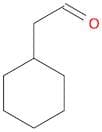
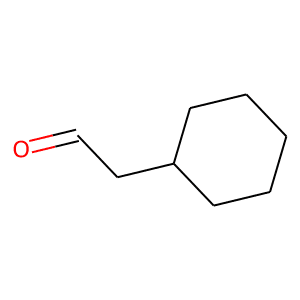
:cyclohexylacetaldehyde
Description:
Cyclohexylacetaldehyde, with the CAS number 5664-21-1, is an organic compound characterized by its cyclohexyl group attached to an acetaldehyde functional group. It typically appears as a colorless to pale yellow liquid with a distinctive odor. The molecular formula of cyclohexylacetaldehyde is C9H16O, indicating it contains nine carbon atoms, sixteen hydrogen atoms, and one oxygen atom. This compound is known for its moderate volatility and is soluble in organic solvents, while having limited solubility in water. Cyclohexylacetaldehyde is primarily used in the synthesis of various chemical intermediates and fragrances. Its reactivity is influenced by the presence of the aldehyde functional group, making it susceptible to oxidation and condensation reactions. Safety considerations include potential irritant effects on the skin and eyes, necessitating appropriate handling measures in laboratory and industrial settings. Overall, cyclohexylacetaldehyde serves as an important compound in organic synthesis and industrial applications.
Formula:C8H14O
InChI:InChI=1/C8H14O/c9-7-6-8-4-2-1-3-5-8/h7-8H,1-6H2
SMILES:C1CCC(CC1)CC=O
Synonyms:- Cyclohexaneacetaldehyde
Sort by
Purity (%)
0
100
|
0
|
50
|
90
|
95
|
100
Found 5 products.
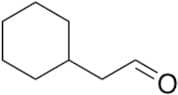
Cyclohexylacetaldehyde
CAS:CyclohexylacetaldehydeFormula:C8H14OPurity:90%Color and Shape: clear. almost colourless liquidMolecular weight:126.20g/molCyclohexylacetaldehyde (~90%)
CAS:Controlled ProductApplications 2-cyclohexylacetaldehyde (cas# 5664-21-1) is a useful research chemical.
Formula:C8H14OPurity:~90%Color and Shape:NeatMolecular weight:126.22-Cyclohexylacetaldehyde
CAS:2-Cyclohexylacetaldehyde is an organic solvent that is used as a precursor in the synthesis of various pharmaceuticals and agrochemicals. It inhibits the production of acetaldehyde by inhibiting the enzyme alcohol dehydrogenase. This agent also has been shown to have anti-cancer properties, which may be due to its ability to inhibit cell growth and induce apoptosis in cancer cells. The anti-cancer effects are thought to be due to its ability to inhibit the biosynthesis of fatty acids and DNA/RNA synthesis. 2-Cyclohexylacetaldehyde has been shown to have a hydroxyl group, which can undergo oxidation reactions with other molecules. 2-Cyclohexylacetaldehyde is an amido compound that contains an alkoxy radical at its end.Formula:C8H14OPurity:Min. 95%Molecular weight:126.2 g/mol