CAS 576-63-6
:cis-Inositol
Description:
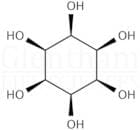
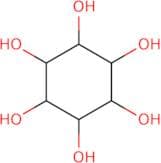
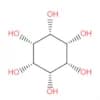
Cis-Inositol, also known as myo-inositol, is a cyclic sugar alcohol that belongs to the class of polyols. It is a stereoisomer of inositol, characterized by its six-membered ring structure containing six carbon atoms and six hydroxyl (–OH) groups, which contribute to its solubility in water. This compound is naturally occurring and is found in various plant and animal tissues, playing a crucial role in cellular signaling and osmoregulation. Cis-Inositol is involved in the synthesis of phosphatidylinositol, a key component of cell membranes, and serves as a precursor for inositol phosphates, which are important for intracellular signaling pathways. It is often studied for its potential therapeutic effects, particularly in relation to metabolic disorders, polycystic ovary syndrome (PCOS), and mental health conditions. The compound is generally recognized as safe and is available in various forms, including powders and capsules, for dietary supplementation. Its stability and reactivity are influenced by environmental factors such as pH and temperature.
Formula:C6H12O6
InChI:InChI=1/C6H12O6/c7-1-2(8)4(10)6(12)5(11)3(1)9/h1-12H/t1-,2+,3-,4+,5-,6+
InChI key:InChIKey=CDAISMWEOUEBRE-JMVOWJSSNA-N
SMILES:O[C@@H]1[C@H](O)[C@H](O)[C@H](O)[C@H](O)[C@@H]1O
Synonyms:- cis-Inositol
- Inositol, cis-
Sort by
Purity (%)
0
100
|
0
|
50
|
90
|
95
|
100
Found 2 products.
cis-Inositol
CAS:Formula:C6H12O6Purity:≥ 97%Color and Shape:White to off-white powderMolecular weight:180.16cis-Inositol
CAS:<p>Inositol is a member of the B-vitamin family and is classified as a sugar alcohol. It has a structural similarity to glucose and can be synthesized by plants, bacteria, and mammals. Inositol is found in high concentrations in the brain and liver. Inositol has been shown to inhibit guanine nucleotide-binding proteins (G proteins) and ryanodine receptor channels in HL-60 cells. It also inhibits cancer cell proliferation and suppresses ovarian activity. Inositol appears to work by binding to the inositol-1,4,5-trisphosphate receptor on the surface of cells, thereby inhibiting intracellular calcium release from its storage site within the endoplasmic reticulum. The effects of inositol are mediated by dinucleotide phosphate or p-nitrophenyl phosphate.</p>Formula:C6H12O6Purity:Min. 90 Area-%Color and Shape:PowderMolecular weight:180.16 g/mol