CAS 57817-55-7
:6-Bromohexanamide
Description:
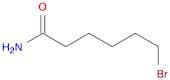
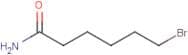
6-Bromohexanamide is an organic compound characterized by the presence of a bromine atom and an amide functional group within a hexane chain. Its molecular structure consists of a six-carbon alkyl chain (hexane) with a bromine substituent at the sixth carbon position and an amide group (-C(=O)NH2) attached to the terminal carbon. This compound is typically a colorless to pale yellow liquid or solid, depending on its purity and specific conditions. It is soluble in polar solvents, such as water and alcohols, due to the amide functionality, which can engage in hydrogen bonding. 6-Bromohexanamide may exhibit biological activity, making it of interest in pharmaceutical and chemical research. As with many brominated compounds, it may also possess unique reactivity patterns, particularly in nucleophilic substitution reactions. Safety precautions should be taken when handling this compound, as brominated organic compounds can be hazardous. Proper storage and disposal methods are essential to mitigate any environmental or health risks associated with its use.
Formula:C6H12BrNO
InChI:InChI=1S/C6H12BrNO/c7-5-3-1-2-4-6(8)9/h1-5H2,(H2,8,9)
InChI key:InChIKey=LGCGXHIRLZORQA-UHFFFAOYSA-N
SMILES:C(CC(N)=O)CCCBr
Synonyms:- 6-Bromocaproamide
- Hexanamide, 6-bromo-
- NSC 277296
- 6-Bromohexanamide
- 6-Bromohexamide
- 6-BROMOHEXANEAMIDE
Sort by
Purity (%)
0
100
|
0
|
50
|
90
|
95
|
100
Found 4 products.
6-Bromohexaneamide
CAS:Formula:C6H12BrNOPurity:97%Color and Shape:White powderMolecular weight:194.0726-Bromohexanamide
CAS:6-Bromohexanamide is a hydrophobic molecule that has been shown to inhibit the activity of acylases, which are enzymes that catalyze reactions in which an acyl group is transferred from a donor to an acceptor. This compound also inhibits β-lactamase, an enzyme that degrades penicillin and other β-lactam antibiotics. 6-Bromohexanamide binds to serum proteins, but not to nucleophiles such as DNA or RNA. It is also specific for serine residues. 6-Bromohexanamide has been shown to be effective against bacteria such as Staphylococcus aureus and Salmonella enterica.Formula:C6H12BrNOPurity:Min. 95%Molecular weight:194.07 g/mol