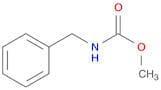
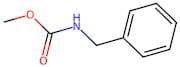
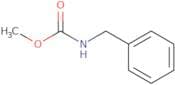
CAS 5817-70-9
:methyl benzylcarbamate
(Phenylmethyl)-carbamic acid methyl ester
CAS:Formula:C9H11NO2Purity:95%Color and Shape:SolidMolecular weight:165.1891Methyl benzylcarbamate
CAS:Methyl benzylcarbamate (MBQ) is a synthetic compound that has the general chemical formula of CH2CH(NH2)COOH. It is a sulfamic acid which has been used as an organic solvent, in polymerization reactions, and in amide formation. MBQ can be synthesized by reacting methyl benzyl chloride with sodium sulfamate. The reaction mechanism for this chemical change is similar to the one that occurs in esterification reactions, except that the hydroxyl group on the methyl benzyl chloride reacts with the carboxylic acid group on sulfamic acid. The chemical reaction also produces water as a by-product. Density lipoproteins are proteins that are involved in lipid transport and metabolism. They are primarily synthesized by liver cells but can also be made by other cell types like macrophages or adipocytes. They have an important role in transporting lipids from peripheral tissues to the liver for metabolism and excretion and are regulated by
Formula:C9H11NO2Purity:Min. 95%Molecular weight:165.19 g/mol