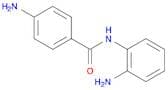
CAS 58338-59-3
:Dinaline
Description:
Dinaline, with the CAS number 58338-59-3, is a chemical compound primarily recognized for its application as a pharmaceutical intermediate and in the synthesis of various organic compounds. It is characterized by its specific molecular structure, which includes functional groups that contribute to its reactivity and solubility properties. Dinaline is typically a solid at room temperature and may exhibit moderate stability under standard conditions. Its chemical behavior can be influenced by factors such as pH and temperature, making it important to handle it under controlled conditions to maintain its integrity. Safety data sheets indicate that it should be handled with care, as it may pose health risks if inhaled or ingested. Additionally, Dinaline's role in medicinal chemistry highlights its potential therapeutic applications, although specific uses may vary based on ongoing research and development. As with any chemical substance, proper storage and disposal methods are essential to minimize environmental impact and ensure safety in laboratory settings.
Formula:C13H13N3O
InChI:InChI=1S/C13H13N3O/c14-10-7-5-9(6-8-10)13(17)16-12-4-2-1-3-11(12)15/h1-8H,14-15H2,(H,16,17)
InChI key:InChIKey=QGMGHALXLXKCBD-UHFFFAOYSA-N
SMILES:C(NC1=C(N)C=CC=C1)(=O)C2=CC=C(N)C=C2
Synonyms:- 2′,4-Diaminobenzanilide
- Benzamide, 4-amino-N-(2-aminophenyl)-
- Goe 1734
- 4-Amino-N-(2-aminophenyl)benzamide
- Dinaline
Sort by
Purity (%)
0
100
|
0
|
50
|
90
|
95
|
100
Found 3 products.
4-amino-N-(2-aminophenyl)benzamide
CAS:Formula:C13H13N3OPurity:98%Color and Shape:SolidMolecular weight:227.26184-Amino-N-(2-aminophenyl)-benzamide
CAS:<p>4-Amino-N-(2-aminophenyl)-benzamide (4ANAP) is a small molecule that inhibits inflammatory bowel disease. It has been shown to have anti-inflammatory effects and to be a potential biomarker for colorectal adenocarcinoma. 4ANAP binds to the EGF receptor on the cell surface, which prevents its activation by EGF and thereby blocks cellular proliferation. 4ANAP has been shown to bind with high affinity to other receptors such as those found in autoimmune diseases and cancer cells. The anti-inflammatory properties of 4ANAP are due to its ability to inhibit the production of proinflammatory cytokines such as IL1β, IL6, TNFα, and IL8. This drug also inhibits the production of reactive oxygen species in neutrophils and macrophages, thereby reducing oxidative injury in inflamed tissues.</p>Formula:C13H13N3OPurity:Min. 95%Molecular weight:227.26 g/mol