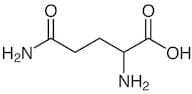
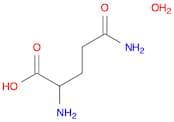
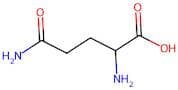
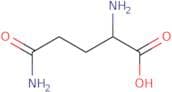
CAS 585-21-7
:Glutamine
Description:
Glutamine, with the CAS number 585-21-7, is a non-essential amino acid that plays a crucial role in various metabolic processes within the body. It is classified as a polar, hydrophilic amino acid due to its amide side chain, which allows it to participate in hydrogen bonding and interact with water. Glutamine is vital for protein synthesis, serving as a building block for proteins, and is also involved in nitrogen transport and metabolism. It is particularly important for rapidly dividing cells, such as those in the immune system and the gastrointestinal tract. In addition to its role in protein synthesis, glutamine serves as a precursor for the synthesis of nucleotides and neurotransmitters, contributing to cellular energy production and overall cellular health. Glutamine can be found in various food sources, including meat, fish, dairy products, and certain plant-based foods. It is also available as a dietary supplement, often used by athletes and individuals undergoing intense physical training to support recovery and muscle maintenance.
Formula:C5H10N2O3
InChI:InChI=1S/C5H10N2O3/c6-3(5(9)10)1-2-4(7)8/h3H,1-2,6H2,(H2,7,8)(H,9,10)
InChI key:InChIKey=ZDXPYRJPNDTMRX-UHFFFAOYSA-N
SMILES:C(CCC(N)=O)(C(O)=O)N
Synonyms:- 2,5-Diamino-5-Oxo-Pentanoic Acid
- 2,5-Diamino-5-oxopentanoic acid
- 2-Amino-4-Carbamoylbutanoic Acid
- 2-Amino-4-carbamoylbutyric acid
- 2-Aminoglutaramic acid
- <span class="text-smallcaps">DL</span>-Gln
- <span class="text-smallcaps">DL</span>-Glutamine
- Glutaminic Acid
- NSC 97925
- γ-Glutamine
- DL-Glutamine
- Glutamine
- (±)-Glutamine
- See more synonyms
Sort by
Purity (%)
0
100
|
0
|
50
|
90
|
95
|
100
Found 5 products.
DL-Glutamine
CAS:Formula:C5H10N2O3Purity:>98.0%(T)Color and Shape:White to Almost white powder to crystalMolecular weight:146.15DL-glutamine
CAS:DL-glutamine is a non-essential amino acid that is needed for protein synthesis, energy production, and the function of gut cells. It is found in many foods such as dairy products and meat. L-glutamic acid is synthesized from DL-glutamine by bacteria in the intestines and can be used as a nitrogen source by other bacteria. Butyric acid is produced as a result of bacterial fermentation of DL-glutamine, which can have effects on the liver cells. The cellular morphology of liver cells changes when exposed to butyric acid.Formula:C5H10N2O3Purity:Min. 95%Color and Shape:White PowderMolecular weight:146.14 g/mol