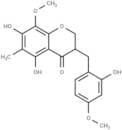
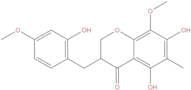
CAS 588706-66-5
:Ophiopogonanone E
Description:
Ophiopogonanone E is a natural compound classified as a saponin, primarily derived from the plant Ophiopogon japonicus, which is known for its traditional medicinal uses in Asian herbal medicine. This compound exhibits a variety of biological activities, including anti-inflammatory, antioxidant, and potential anticancer properties. Structurally, Ophiopogonanone E features a complex arrangement of sugar moieties attached to a steroid-like backbone, which contributes to its bioactivity. The presence of multiple hydroxyl groups enhances its solubility in water and its interaction with biological systems. Research indicates that Ophiopogonanone E may influence cellular pathways, promoting cell survival and modulating immune responses. Its potential therapeutic applications are being explored, particularly in the context of chronic diseases and age-related conditions. However, further studies are necessary to fully elucidate its mechanisms of action and to assess its efficacy and safety in clinical settings. As with many natural products, the extraction and purification processes can significantly affect the yield and activity of Ophiopogonanone E.
Formula:C19H20O7
Synonyms:- RubiadinOphiopogonanone E
- 4H-1-Benzopyran-4-one, 2,3-dihydro-5,7-dihydroxy-3-[(2-hydroxy-4-methoxyphenyl)methyl]-8-methoxy-6-methyl-, (-)-
- Ophiopogonanone E
Sort by
Purity (%)
0
100
|
0
|
50
|
90
|
95
|
100
Found 4 products.
Ophiopogonanone E
CAS:Ophiopogonanone E has oxygen free radicals(OFRs) scavenging effects, it can scavenge hydroxyl radical(·OH) and hydrogen peroxide(H2O2) in vitro.Formula:C19H20O7Purity:98%Color and Shape:SolidMolecular weight:360.36Ophiopogonanone E
CAS:Ophiopogonanone E is a naturally occurring compound, which is a type of flavonoid derivative sourced predominantly from the roots of the plant Ophiopogon japonicus. This compound exhibits various pharmacological activities, primarily through its ability to modulate oxidative stress pathways and inhibit pro-inflammatory cytokine production. Its mode of action involves scavenging free radicals and regulating enzyme activity linked to cellular oxidative damage, providing potential therapeutic benefits in mitigating oxidative stress-related conditions.Formula:C19H20O7Purity:Min. 95%Molecular weight:360.4 g/mol